
There is nothing quite as satisfying or home-y as the scent of freshly baked cookies wafting from the oven…
But there is also nothing quite as satisfying as starting your own successful business.
If you’re reading this, chances are, you’ve decided to combine these two incredible concepts into one…
And you want to start your own cookie business.
I’m Ippei, your friendly neighborhood passive income and local lead generation specialist…
And I”m going to take you through the 7 things you need to know about starting a successful cookie business.
Plus, I’m including the realistic startup costs, and pros and cons for your cookie business concept.
How to Start a Courier Business in 2021
Want to Start a Cookie Company in 2021? Here's What You Should Know:
Starting a cookie business is about way more than baking delicious cookies! While this is a good place to start, it’s a bad place to stop. To start your own cookie company, you will need to do your research, hone your target market, and become familiar with cottage industry laws.
Start Up Costs
While this list is not a comprehensive compilation of every you need to start a cookie business, it provides a snapshot of what you need to add into your business plan.
Annual Revenue of Established Cookie Business
According to this article from smallbusiness.chron.com, (https://smallbusiness.chron.com/average-revenue-bakery-81113.html),
the average annual revenue of this kind of business is: $450,000
And the average monthly revenue is: $37,500
Average Profit/Take Home Pay:
The average annual take home pay of a cookie company is: $29,250
And the average monthly income is: $2,438
Profit Margins of Established Cookie Business
And the average profit margin of this kind of business is: 6.50%
7 Step Quick Start Checklist:
1. Do Your Research
I don’t think I’ve ever met a person who didn’t enjoy a good cookie…
Especially when they’re fresh out of the oven!
But if you are passionate about starting a hand crafted, artisan cookie business…
Then there are some things you need to consider first!
The research phase of opening a cookie company is extremely vital.
Just because cookies are a well loved favorite around the world, doesn’t mean that you will be able to launch a successful cookie company.
This is because cookies are so common, and come in so many different brands, that the cookie industry is a saturated niche.
But just because the cookie market is saturated, doesn’t mean that there isn’t room for you.

What it does mean is that you need to spend extensive time in the research phase of your business to find where you fit within this tasty market.
The goal is to find a gap in the market that your cookies will be uniquely qualified to fill…
But more on that later!
Take time up front to research everything there is to know about small bakery business…
And don’t just stop at this article!
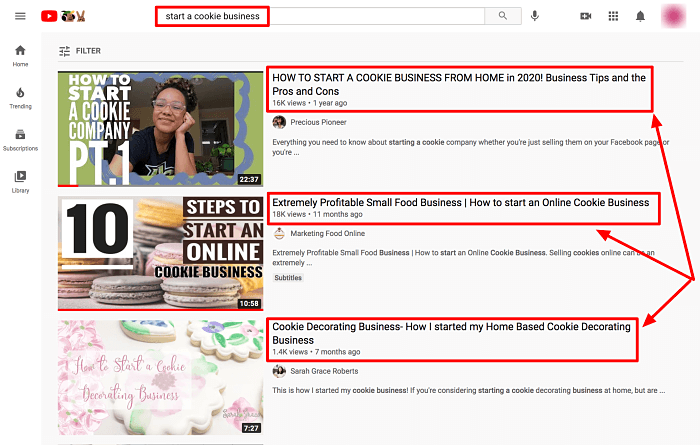
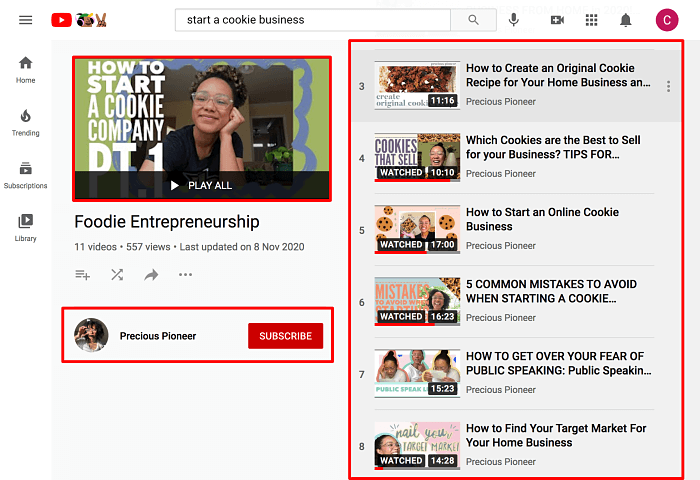
There is a wealth of information available thanks to platforms like Youtube and podcasts.
You’d be surprised how much you can discover through those who have gone before you in a particular business niche.
The beautiful thing about the internet is that whether you are seeking to discover the best vegan cookie recipe, or how to price your gourmet baked goods…
Someone else has already done it, and they’ve probably shared it somewhere!
So do your digging, and fully prepare yourself before launching your delicious creations into the world!
2. Write Your Business Plan
Once you’ve spent adequate time researching your business model, you can actually sit down and create a strategic business plan.
I say strategic because it’s all too easy for a business plan to turn into a stale and dry document that isn’t actually practical or useful to you.
And “stale and dry” are two words that are a big no-no for both your cookies and your business plan!
Your business plan is your unique, customized road map to success.
It should be more than just a list of goals, or future financial projects.
Although these things are important to include, your business plan needs to be so much more than that.
Here are the basics to include when drafting your cookie business plan:
Basic Things to Include in a Business Plan:
If you are struggling to create a business plan that you find useful and practical, consider this:
When you are starting a small business, you will often face an overload of outside opinions.
Well meaning friends and family will weigh in on your business decisions, and offer their ideas and input.
Before you know it, your business has morphed from your original vision into an amalgamation of everyone else’s!
This is where referring back to your business plan becomes especially helpful.
Having a written document that can remind you of what your business was intended to be, the goals you have, and the systems you’ve designed to get there, can change everything.
Your business plan will be able to help you refocus and get back on track.
So focus on filling it with actionable steps, realistic goals, and thoroughly researched market analyses.
3. Cottage Industry and Insurance
If you have ever explored the idea of selling home baked goods to the public, then you are probably familiar with the term “cottage industry”.
But if this whole idea is completely new to you, then allow me to elaborate.
In short, a cottage industry business is quite simply a business that manufactures its goods from the owner’s home.
For most people who are considering turning their passion for the culinary arts into a business, the thought of purchasing a brick and mortar shop is intimidating and unrealistic.
The idea of baking your products from home sounds much more manageable from a financial and practical lifestyle perspective.
However, as per usual, life isn’t quite that simple!
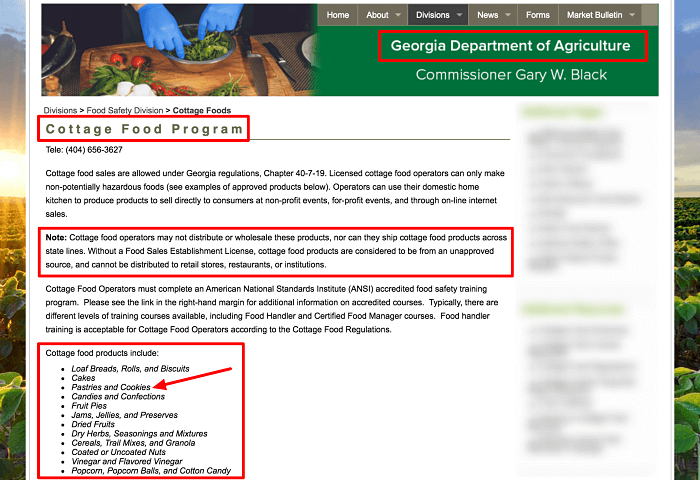
In many areas baking from home is a viable option.
But regardless of where you live, you will be legally required to obtain a cottage industry license through your local or state authorities before you can market or sell your food products.
The requirements and allowances for cottage industry business vary from state to state...
So you will need to do your own research to determine if you will be able to start a cookie business from home.
Even if running a cookie company from home is possible in your area, you will need to comply with a strict set of regulations regarding your kitchen environment and equipment.
Oftentimes, a business that produces food from home cannot legally use the same utensils, refrigerators or equipment for personal and business use.
Which means that having ample storage for two sets of cookware and appliances could be a potential roadblock.
If you discover that running a bakery business from home isn’t allowed or practical due to local cottage industry regulations, there are other options.
You can explore a variety of other options:
Although these avenues might not be what you were planning for, they can be viable alternatives to running your cookie company from home.
Be sure to explore all of your options before giving up on your idea simply due to cottage industry regulations.
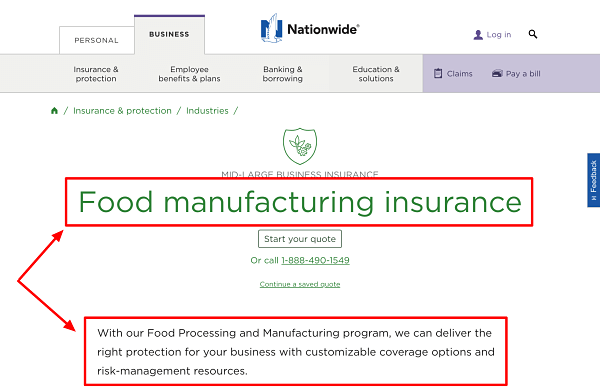
Finally, you will need to protect your business legal with a solid food manufacturer insurance policy!
The last thing you need is for your cookies to make someone sick.
Then you might end up with your business being sued…
Which is a nightmare in and of itself…
But combine that with a lack of insurance, and you’ve got a real situation on your hands.
Trust me, the $40-$50 a month that food manufacturing insurance will cost you will feel like a drop in the bucket compared to exorbitant legal fees down the road!
4. Identify Your Target Market
Remember when I mentioned that the key to success is in finding a gap within the market?
Well it’s time to come back to that little point and dive a little deeper.
For any company to be truly successful, they have to find what sets them apart from the crowd.
This is generally referred to as a “Unique Selling Proposition”, or USP for short.
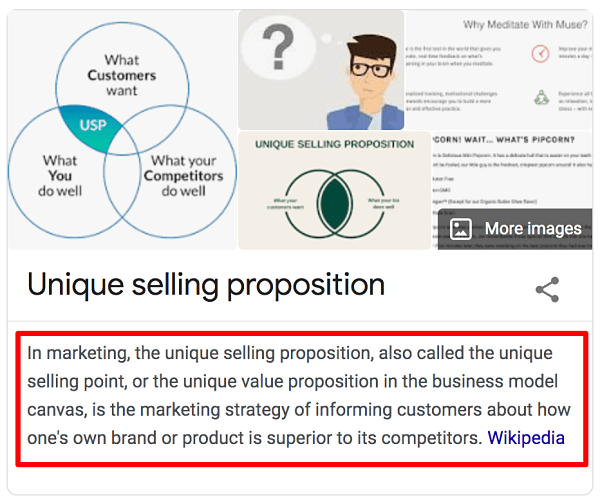
You will need to discover your USP for your cookie business before you know what gap your cookies are capable of filling.
For Example:
If you specialize in making incredible, protein packed, vegan chocolate chip cookies, then your goal would be to find out if there is a sizable gap in the vegan and health cookie industry that your company can fill.
Once you have landed on your USP and clearly defined how your business will be unique, you can build your brand around this.
Most likely, the clients who will be interested in purchasing cookies from a small business will be a niche clientele in and of themselves.
Consider the example of the vegan protein cookies above.
The type of people who would be interested in spending upwards of $4 for a single cookie in this particular niche have a very specific lifestyle.
Your goal for your company’s brand is to appeal to that type of person, lifestyle, and target market!
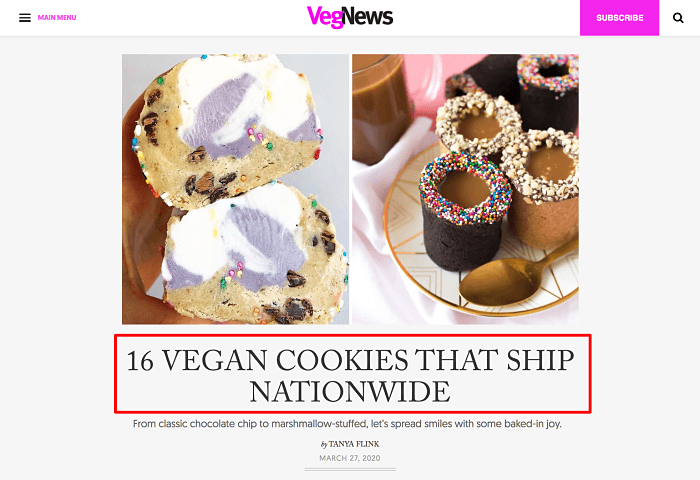
When started out, the goal isn’t to become the next Oreo.
It’s to capitalize on the needs of a unique target market and dominate in that micro arena.
Which is why discovering what sets your cookies apart is so important!
Will you stand out because of the unique flavors that you offer?
Or maybe you will make a name for yourself because your cookies manage to be delicious and healthy without tasting like lightly sweetened cardboard!
Perhaps you will carve out a living for yourself through hand decorated, customized cookie catering orders.
(Try saying that five times fast!)
Whatever it is that you decide to focus on, make sure that your branding accomplishes these three things:
Remember, you are competing with big name brands that are probably much more accessible and well known than you are!
If you want to steal business away from the person who is typically going to pick up a pack of Oreos from the store…
Then you need to give people a clear and compelling reason to branch off from something more convenient or familiar.
5. Menu and Pricing
Assuming that you’ve taken the time to properly identify your USP and target market…
Then you probably already have a pretty good idea of what your menu is going to be!
But as you go along, don’t be afraid to tweak things.
Especially since you can’t just make what you like!
Your favorite cookie in the world might be a peanut butter, marshmallow cookie…
But if your customers don’t like it then you can’t sell it!
While your cookie company may start out based on what you are inspired to create, and what you enjoy…
You need to discover what sells, and what you customers want!
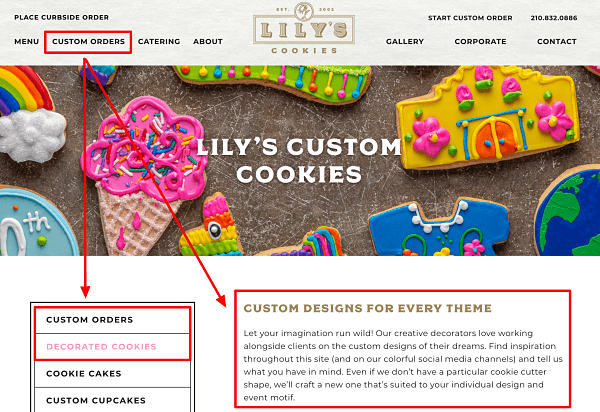
When first starting out, try to stick to a smaller menu of 3-5 types of cookies.
Experiment with offering some well loved, tried and true favorites alongside some more unique “signature” flavors.
Examples of Classic Cookie Flavors:
Examples of Unique Cookie Flavors:
After finalizing your menu and perfecting your recipes, it’s time to focus on an extremely important area of starting a cookie company…
Your pricing.
Too many people make the mistake of pricing their products emotionally, rather than practically.
It’s not enough to determine what you feel like your product should sell for.
Feelings have no place in this decision.
They will only result in pricing yourself so low that you fail to turn a profit, or so high that no one wants to buy from you.
To determine how to price your cookies, you will need to learn the skill of product costing.
Product costing is actually quite simple.
The goal is find out what your ingredients cost you, and how many cookies or batches of cookies can be made from those ingredients.
From there, you will know how much it costs you to make each cookie, and you will be able to determine your retail markup.
Ideally, you should aim to keep your costs for labor and resources around 30%.
In addition to factoring in the cost of your own labor and time, don’t forget to account for waste!
Food waste occurs in the following ways:
Unfortunately, product waste is an unavoidable factor in any food industry business.
Although it can be minimized, it will happen.
To account for this waste, tack on an additional 15% onto your pricing.
And lastly, don’t forget to include the cost of your packaging materials and shipping costs as well!
Sometimes it can be fun to give away cookies…
But not when it comes to your business.
6. Logo and Packaging
The finishing touch to the masterpiece that I’m sure will be your cookies, is your logo and packaging!
Finding the right packaging and logo for your cookie business will be like the chef’s kiss to your creations…
As well as being important for transportation and freshness.
First of all, designing a logo doesn’t have to be complicated!
If you haven’t already taken this step when working on your branding, it’s time to do so now.
But just because you need a logo, doesn’t mean you necessarily have to hire a graphic designer!
A graphic designer can be extremely helpful, but if you lack the budget for this kind of luxury…
Then you can also use free design services like Canva to create a beautiful logo for your business!
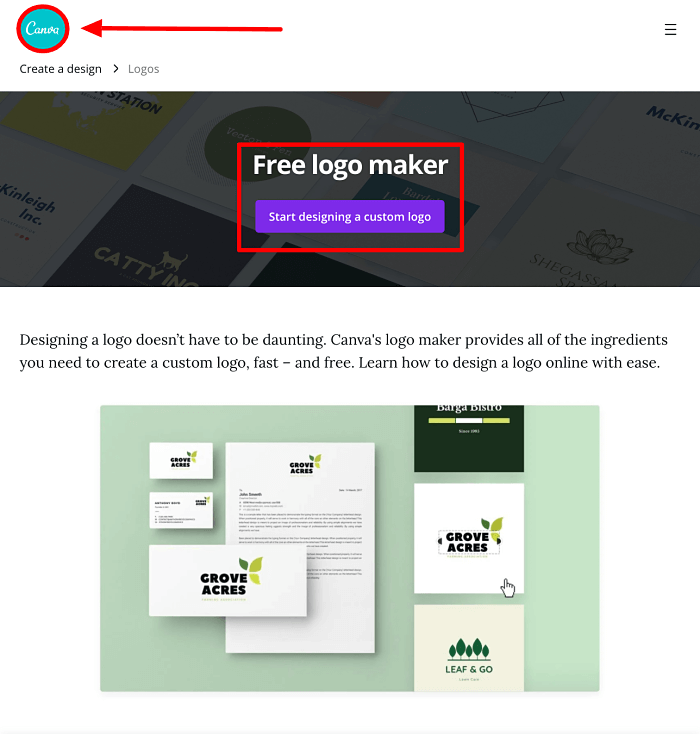
When you’re starting a small business, nothing sounds better than “free” when it comes to startup costs, am I right?
From there you can print your logo out onto stickers for your packaging.
Whether you decide on simple plastic sleeves, or fancy hand wrapped boxes for your cookie business’s packaging…
You will need to source as much of your packaging materials from a wholesale supplier as possible.
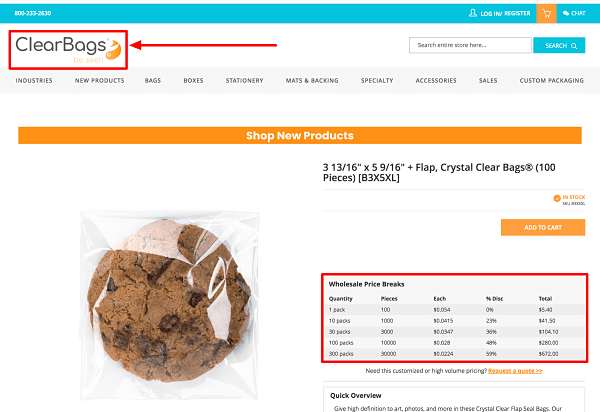
While this will require you to order in bulk, it will keep your costs down over time.
Eventually, you will work out a rhythm of baking your orders, packing them, and labeling them with your logo…
Like your own mini cookie factory!
The packaging stage of your business is yet another opportunity to customize and add value to the product that you’re creating.
Taking the extra steps to carefully and artfully package your cookies will show your clients yet another reason why shopping small is worth the investment!
7. Marketing
Without a clear marketing strategy in place, your cookie business won’t be off to a great start.
Unless you are content to sell your cookies to friends and family, and wait for the word to spread…
You will have to be prepared to spend extensive time on your marketing campaigns!
Obviously, creating a website is a great place to start.

Your website will serve as your company's online face, as well as being an avenue to receive online orders.
As I stated above, there is no need to hire a graphic designer unless you can afford one and you really want to!
The great thing about the modern world we live in is that there are several extremely user-friendly template based website builders available.
These drag-and-drop website builders take all the headache out of building your website…
And allow you to focus on creating a functional, beautiful website that represents your brand.
Some of my favorite website builders are:
In addition to having your own website, consider which website already has the attention of your target market.
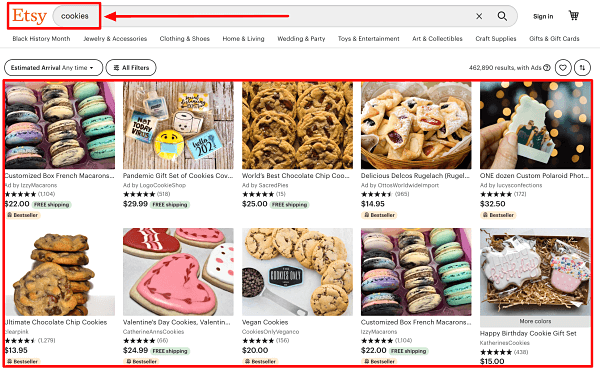
Places like Etsy and Amazon already sell similar products within your niche…
So by selling your products within these platforms, you will be able to tap into an existing and “built in” audience!
Which can be extremely helpful when you are first starting out.
Just make sure that you are capable of keeping up with orders from multiple different platforms!
Another important aspect of being a small business owner is having an active presence on social media.
You’d be surprised how much of a difference this can make for your overall marketing success.
When you are consistently posting content and sharing your product and story through social media…
Those who already love your cookies will share these posts to their friends, family and followers, and your company’s fan base will start to grow organically!
Social media has completely changed the way referral marketing works…
Because the magic of being “influenced” by online content is very real.

Now more than ever before, seeing online content and recommendations from people that you follow (and may not even know in real life!) is extremely compelling.
You can even consider reaching out to social media “influencers”, sending them some free cookies, and asking them to review/promote your small cookie company!
While some larger influencers will want financial compensation for a brand deal like this…
Smaller influencers with a lower follower account might be content to receive your delicious cookies as compensation!
Trust me, before you know it…
The world will be raving about your cookies!
But a strong marketing strategy requires more than just a website, Etsy store, and social media marketing, though...
Ultimately, you will have to be prepared with a lead generation strategy that will attract new customers to your business on a consistent basis.
Fortunately we can teach how to do exactly that through our local lead generation coaching program and online course.
Pros and Cons
of starting a cookie business
Pros
For many aspiring entrepreneurs, one of the greatest draws to launching a business is the freedom to set your own schedule. There’s no boss to dictate your day, or look over your shoulder… You are in control of your time. This can be both freeing, and stressful. But for most small business owners, it is one of the most gratifying aspects of being self employed.
When it comes to business, there is almost nothing more valuable than loyal, returning customers. And with a business model like cookies, you will build up an extremely loyal customer base that will purchase from you again and again. You can even capitalize on this further by creating a bakery subscription service!
Although every state has different rules and regulations surrounding cottage license laws and running a food service business from home… There is a good chance that you can start your bakery business out of your house. Which can go a long way in minimizing startup costs in the early stages of your cookie business startup.
Cons
Even though many states do permit cottage licenses that would enable you to run a bakery business from your home, there are strict health and safety regulations that will dictate what you can and cannot do. This will remain true whether you have a brick and mortar, dine-in bakery, or a home based bakery. You will be dealing with the health department, and remaining compliant in all areas of your business will be extremely important for the success of your cooking business.
Bakeries are necessarily known for their high profit margins. And with a cookie business, you will have to face the high costs of renting a physical bakery space, or baking at home and eating the costs of packaging and shipping boxes of your cookies safely to the hands of your hungry customers.
If you have any visions of earning steady passive income from your cookie business… I encourage you to lay those aside. Your income as a cookie company will be directly linked to your hours. While owning your own cookie business can eventually lead to consistent passive income, that is a long way down the road.
A Cookie Business Can Work, If You Know This First:
Whether you have aspirations of creating the next Oreo, or simply want to give your grandma’s recipe the recognition it deserves…
Starting a cooking business is almost always an idea birthed out of a passion for baking.
And while combining your baking ideas with business can be an exciting avenue into entrepreneurship…
It also comes with a high level of risk.
You will need to have strong marketing techniques backing you up, because without enough cookie sales, your business won’t survive.
It isn’t enough to have a delicious recipe that you always bring to family functions and friends’ parties.

You will need to know how to attract new customers to your product and your business consistently.
Fortunately, we can teach exactly how to do this.
You see, when I quit my traditional nine-to-five job, I was on the hunt for the best method for creating passive income online.
I tried everything.
Drop shipping, affiliate marketing, you name it.
But when I stumbled across online lead generation, everything shifted.
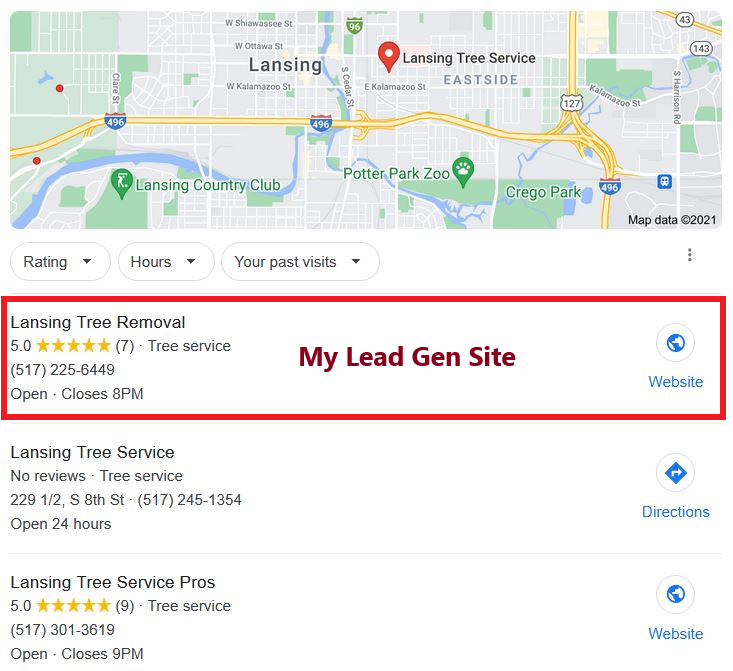
I went from barely being able to pay my bills, to bringing in well over 50K a month in passive income in less than five years!
And my local lead generation strategies weren’t just padding my own pockets, either.
I was able to help other small business owner’s to grow and thrive by supplying them with a steady stream of viable new leads for their business.

But guess what?
Anyone can learn the art of generation leads online for their business.
And we can teach you how.
So if you’re ready to learn how to take your cookie business from good to great through local lead gen, click here to learn more about how we can help you get started.
