
Sometimes, the simplest way to start your own business is to take the skills you already possess…
And branch out on your own as a freelancer.
So if you’ve ever wondered what it takes to get started as a freelance business…
This article is going to walk you through the seven step roadmap you need to follow for 2021.
I’m Ippei, and I’ve been rocking the online business world with everything from drop-shipping and affiliate marketing, to online lead generation since 2014.
And to make sure that you get started on the right track, I’m also including a financial breakdown of the startup costs involved for most freelance businesses…
As well as the profit potential of freelance work, and the average profit margins for the industry.
Let’s get right into it:
How to Start a Freelance Business in 2021
Want to Start a Freelance Business This Year? Here's What You Should Know:
If you’re skilled at graphic design, copy-writing, or even social media management… Then you might be cut out for freelancing! But to start a freelance business, you will need to hone in on your niche, discover your ideal client, write a business plan, and build your portfolio.
Start Up Costs
While this list is not a comprehensive compilation of every you need to start a freelance business, it provides a snapshot of what you need to add into your business plan.
Annual Revenue of Established Freelance Business
According to Zip Recruiter, the average annual revenue of this kind of business is: $11,004-$159,504.
Profit Margins of Established Freelance Business
According to Site Point, the average Profit margin of this kind of business is: 20%
7 StepQuick Start Checklist:
1. Find a Niche
So you’re tired of your 9-5 day job, and you’ve decided to go into business for yourself as a freelancer…
Good for you!
In 2020, more people than ever before decided that the freedom of working online and from home was the way to go.
And with that revelation came a massive upturn in the amount of online freelancers.
Which can be both good and bad depending on where you’re standing.
If you are reading this here in 2021, and wondering how to stand out from the crowd with your freelance services…
The very best piece of advice that I could give you is to find a niche.
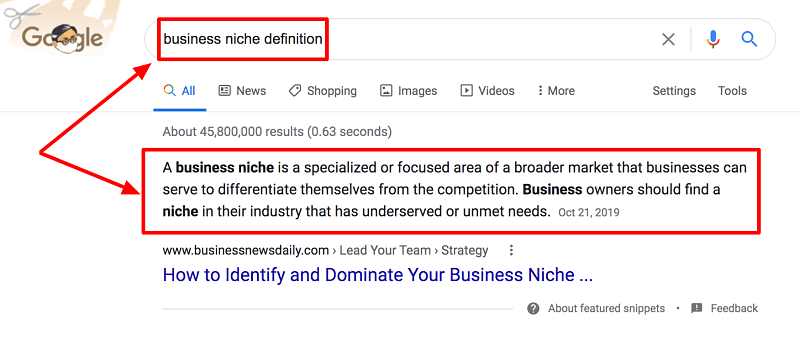
While you might have a list of five or more skills that you could offer to clients as a freelance service provider…
It is going to be nearly impossible to effectively market yourself without choosing a niche.
At first glance it might seem like the more that you offer, the greater the potential for sales.
But unless you are a business mogul that can pour thousands upon thousands of dollars into paid promotions and marketing funnels…
Speaking to everyone is actually the equivalent of speaking to no one.
If your service offerings are too broad, your marketing will be vague…

And as a small business owner, this essentially a death sentence for your freelance career.
When you are putting out your marketing materials and building your brand…
You need to be extremely clear about what you do, and who you serve.
Some common freelance niches are:
For many of you reading this, your niche will be obvious.
Whether that is because you only possess one specific skill that is applicable to freelancing…
Or because you are extremely passionate about a specific niche.
However, for some of you, this decision might not feel as clear cut.
If you’re still unsure of what skills you have that would translate into freelance work, don’t panic!
Having a specific skill isn’t always necessary.
More and more small business owners are need of the following freelance positions:
Both social media management, and virtual assistants are in high demand, and they are skills that can be easily learned by anyone!
So if you don’t have the artistic eye of a graphic designer, or the grammar skills of a training copy-writer…
But you do have great organizational skills and a strong work ethic, these are both great options for you.
2. Consider Your Target Market
Remember when I said that you need to be clear about what you do and who you serve?
Well now it’s time to talk about who you’re going to be serving.
While you might be thinking, “Duh, anyone who needs my niche services!”...
Think again.
Choosing your niche is not enough.
Which is where honing in on your target market is so important.
The best way to get clients as a freelancer is to speak directly to your ideal client through all of your branding, website, copy, advertising, etc.
But before you can pinpoint your message, you need to have a very clear picture of who that ideal client is.
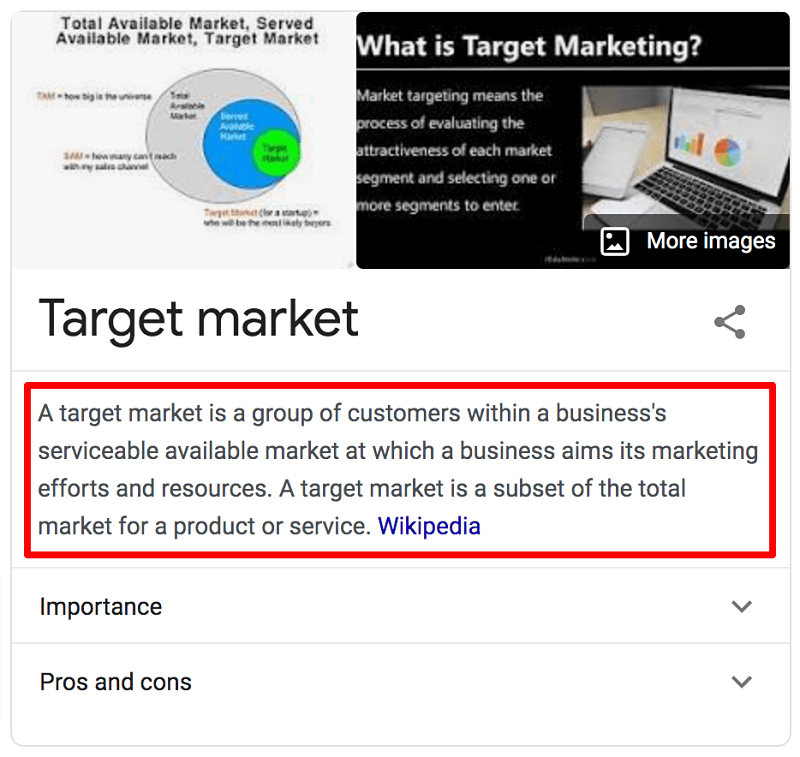
This can be extremely narrow, or relatively broad.
That part will be up to you.
For Example:
If you are a website designer who is extremely passionate about female entrepreneurship… Then you can hone in on a target market of solely female entrepreneurs that are looking for a new website or a website refresh! If you want to be even more specific, you can even hone in on the industry of female entrepreneurs that you would like to serve. Such as building websites specifically for female photographers.
The beauty of discovering your ideal client and target market, is that you will then be able to better understand their specific needs and their pain points.
Which gives you an incredible advantage over other freelancers in your niche!
Because when you understand the unique desires and struggles of your target market…
You will be able to better serve them and speak to them in a way that confidently demonstrates that YOU are the person that they need for the job!
I would like to note, however, that when you are first beginning as a freelance service provider…
You may need to take on projects that are outside of your niche or target market, simply to pay the bills.
This is understandable, and oftentimes inevitable!

It’s a part of paying your dues in a way as a beginning entrepreneur.
But the important thing is that you remain focused on your niche and target client base for the long term.
So just because you take on a project for a client that is outside of your target market…
That doesn’t mean you have to add that project to your portfolio or website!
Only share and advertise the work that you want to be getting more of.
I cannot stress that enough.
If your portfolio is filled with web design projects for a wide variety of business clients, but your goal is to focus on building websites for female entrepreneurs…
You aren’t going to get the attention of your ideal client, because your portfolio won’t speak to them.
3. Write a Business Plan
Now it’s time to write your freelance business plan!
You were probably hoping I would skip this step since it wasn’t listed as item number one on this list…
Psyche!
You can’t get away that easily.
Writing a business plan is an extremely important step in setting yourself up for long term success as a small business owner and freelancer.
But before you can sit down and create a strategic business plan…
You have to know what your niche is, and who your ideal clients will be.
Which is why I’ve waited to include this step in the process until now.
Since you’ve gotten a strong foundation under you now, you can prepare your business plan.

As a freelance business, your initial startup costs and investment will vary greatly depending on the industry that you are planning to serve.
But chances are, since your main goal is to work for yourself, you won’t be seeking outside funding from investors or small business loans.
Which means that your business plan is going to be a lengthy, formal document written solely for the purpose of pitching your business idea to potential funding sources.
Your freelance business plan is going to be for you, and you alone.
Why is this important?

Because it’s easy to look at writing a business plan as a formality…
Rather than as a tool.
And that is a huge mistake.
Sitting down to actually write your business plan can be rather intimidating, but here is a basic outline that will help you to get started in the right direction:
Basic Things to Include in a Business Plan:
Your business plan should be written as a clear, actionable set of steps to get you from where you are today…
To where you want to be in your business in five or ten years from now.
Plus, it’s so easy to get sidetracked with projects that don’t align with your business goals…
Simply for the sake of making money.
Utilize your business plan as a road map that you can refer back to frequently.
It will remind you of what you should be putting your time and energy into, and more importantly…
What you shouldn’t.
4. Build Your Portfolio
One of the most common concerns for those who are just starting out as a freelancer is how to build your portfolio…
And understandably so!
Without a portfolio of work that represents the type of clients you are wanting to attract…
How will you successfully build a business that you want?
And the answer is that you can’t.
This isn’t a dead end street though, don’t worry.
Building your portfolio from scratch is very doable, and there are many who have gone before you.
Everyone has to start somewhere.
But with that being said, you need to be prepared for pro-bono work.
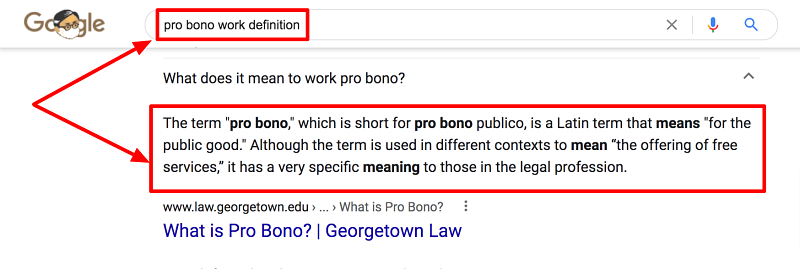
Pro-bono work is work that is done for free for the sake of building your portfolio.
And it is a necessary part of this process.
The important part is how you go about it.
Don’t make the mistake of under-valuing your services and giving away too much for free…
Or doing pro-bono work for too long.
Another important thing to note about pro-bono work, is that there are the right type of projects, and the wrong type of projects.
The best way to build your portfolio through free work is by taking on projects that can be completed quickly, rather than a multi-month project, or a continual service.
For Example:
If you approach an ideal client as a copy-writer and offer to write a free article for their blog pro-bono to build your portfolio, this would be the right type of project to take on. It can be completed quickly, and they may even love your work so much that you gain a repeat paid client.
But the wrong type of work would look something like this…
For Example:
You’re a graphic designer, and you need to build your portfolio. So you approach an ideal client and offer to build them an entire seven page website for free. Now you’ve gotten yourself roped into a multi-month project that will take up considerable time and resources you could be putting towards other areas of your business… Without getting paid.
That is the WRONG way to approach pro-bono work.
Instead, you could have offered to design a new logo for that client, or simply revamp their home page.
This would have been a much smaller project that would still allow you to demonstrate your skill, and build your portfolio.
Not only do you need to consider the size of project that you are offering, but you also need to remember that your time is extremely valuable.
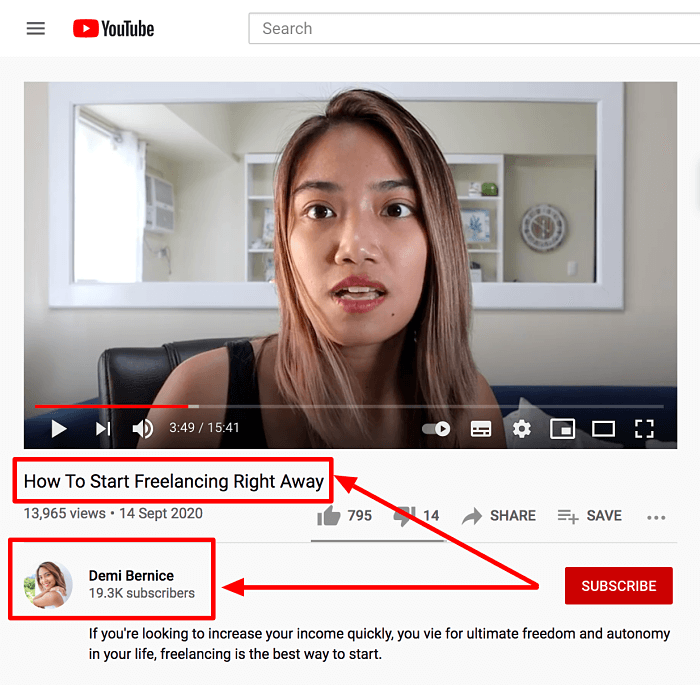
Just because you are new to the freelance world, doesn’t mean that your efforts, skills, and work are unimportant.
You deserve to be paid honorably for the work that you do.
So don’t devalue yourself to the point that you are working for free for too long.
If you don’t see the value in what you are doing, then no one else will either.
You are going to have to be the one to draw the line and start charging for your services sooner rather than later.
And yes, maybe you don’t charge as much in the beginning as you would like…
But that doesn’t mean you shouldn’t charge at all!
5. Build a Website
After you have had time to take on some awesome pro-bono projects, and your portfolio is starting to look a little more full…
It’s time to build yourself a website.
(If you’re a graphic designer…Chances are, this is one of the first things you tackled!)
But if you’ve neglected to build a website for yourself, now is the time.

Your website is going to be the number one place that you can direct potential clients to.
It will contain everything from the list of your services and your pricing…
To your portfolio of work and your client testimonials.
Pro Tip:
Always follow up with your pro-bono clients and request a testimonial! In fact, you can even offer your services with a testimonial/review being the only form of “payment” required. Having reviews from your past “clients”, even if you did the work for free, will help immensely in building trust with future clients.
Plus, your website is a great way to establish yourself as an expert in your craft, and build trust with your prospective clients.
Many times, a professional website is one of the primary ways that your clients are going to evaluate you before taking the plunge to hire you!
Which is why this step is so important, even for a beginning freelance business.
Even if you are’t a graphic or web designer…
Building a website doesn’t have to be overwhelming or complicated!
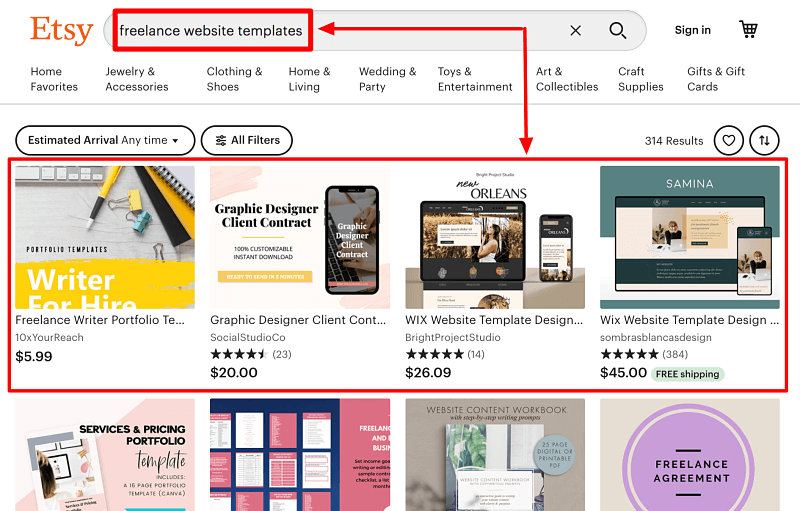
There are so many great template based website builders available now.
Some of my favorites are:
Regardless of which platform you use to build your website, whether you hire someone or do it yourself…
You need your own self-hosted domain.
Having your own self hosted domain adds credibility to your business, and it looks far more professional.
6. Market Your Services
Without clients, you aren’t going to get far with your freelance business…
That’s just a fact.
Which is why learning how to create a steady stream of new leads for your business is so important.
But fortunately, you’re in the right place.
Because we actually teach small business owners how to do exactly that.
So if you’re interested in how we can help generate leads for your freelance business, click here to learn more.
In addition to the ways we can help you implement lead generation strategies into your freelance business…
You will also need to invest your time into creating strong marketing tactics.
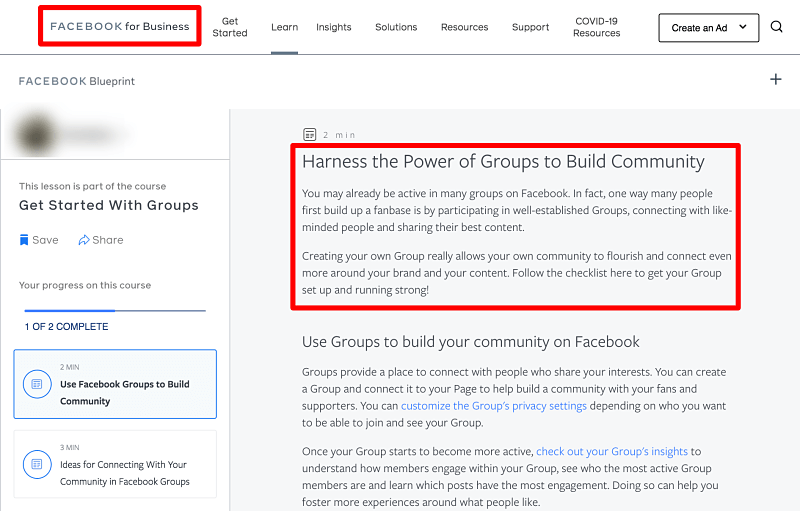
One of the best places to start is on Facebook groups.
While you might be operating under the impression that Facebook is reserved for selling your old coach and arguing about politics…
Facebook offers a thriving community of niche discussion groups.
These Facebook groups are a prime opportunity to connect with potential clients!
But it’s entirely dependent upon how you go about it.
Joining a Facebook group that is applicable for your target audience, and throwing up a post about the services you offer isn’t going to cut it.
People don’t know you, and therefore they don’t trust you yet.
Before you can sell someone anything, you have to establish a level of trust.
For large brands, trust is established through familiarity with the reputation of the company as a whole.
But for smaller businesses and freelancers…
You will need to provide value to people to establish this authority.
Which means you need to take time to consistently engage in these social media groups in an authentic way.

Answer people’s questions.
Offer your advice.
Serve people with value, and don’t expect anything in return.
Once people are familiar with who you are, they will be so much more receptive to the services you have to offer when the opportunity presents itself!
This is a strategy that takes time, so while you are building your reputation and developing relationships online within your industry…
Don’t forget to create your own business pages on social media as well!
Post to Instagram, or even Twitter!
You can even start a blog via your website.
All of these tactics will help you to establish yourself as an expert in your field, and market your skills to potential clients.
7. A Word On Competition
One of the most common complaints I hear from people who are considering going into the freelance business…
Is that their industry is just “too saturated”.
Or that there’s just too much competition for their work to stand out.
I say that this is B.S.
Now, I’m not denying the reality of competition!
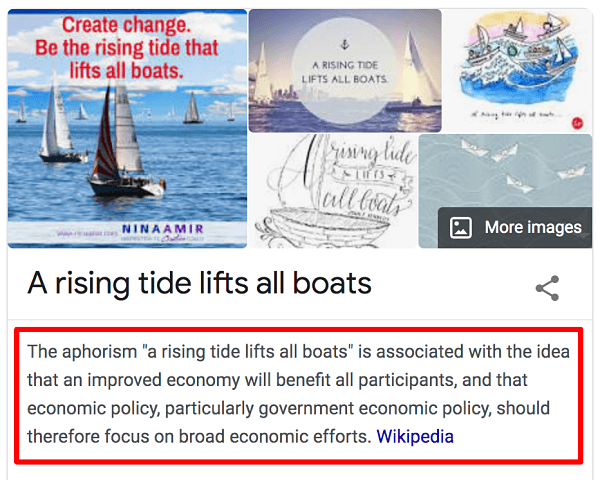
But I do believe that a rising tide raises all ships.
And even more than that, while your specific service might not be all that unique…
The way that you go about delivering it can be.
As more and more people dabble in offering freelance work online…
The more crappy freelancers there are.
The spike in quantity hasn’t resulted in a spike in quality.
So if you’re worried about standing out in the crowd, you need to be delivering quality!
Without a doubt, offering quality work with incredible customer service and a stellar client experience will be more than enough to stand out against your competition, and keep your work schedule full.
Don’t buy into the scarcity mentality.
Stay focused on doing what you do even better than you’ve ever done it before, and you won’t even need to worry about the thought of competition.
Trust me.
Pros and Cons
of starting a freelance business
Pros
For many aspiring entrepreneurs, one of the greatest draws to launching a business is the freedom to set your own schedule. There’s no boss to dictate your day, or look over your shoulder… You are in control of your time. This can be both freeing, and stressful. But for most small business owners, it is one of the most gratifying aspects of being self employed.
Not only will you have the freedom and flexibility to set your own schedule… You can choose where you’ll be working from! Do you want to work from home? Maybe in your pajamas? Done. Do you want to buy a camper van and travel the US while you work? Done. You have the ability to work from almost anywhere as a freelancer.
Depending on the freelancing niche that you’ve chosen, the startup costs can be slim to none! Especially if you already possess the necessary skills and a laptop. Sometimes that’s all it really takes! And as many entrepreneurs who have gone before you would tell you, minimizing your startup costs can make all the difference.
Cons
If you are new to the freelancing game, and lack connections… Building up your portfolio of work will be vital. Without a portfolio, you won’t be able to charge what you’re worth, or attract high paying clients. Which means that you will be doing pro bono work in the beginning. This can be a frustrating but necessary season of your business.
If you have any visions of earning steady passive income from your freelance business… I encourage you to lay those aside. Your income as a freelancer will be directly linked to your hours. While owning your own freelance business can eventually lead to consistent passive income, that is a long way down the road.
If you want to be a freelancer and an entrepreneur, then you will need to prepare yourself for inconsistent paychecks. Some months the money might be great… And others you’ll wonder why you’re doing this at all. If you can’t handle a level of risk and instability, freelancing might not be the career path for you.
Starting a Freelance Business Can Work, but Lead Gen is Better... Here's Why:
Here’s the deal.
Freelance work can definitely make you money.
There’s no denying that.
But even beyond the fact that it requires you to already possess a specific set of skills…
It has one major limitation.
You will still be trading your time for money.
This is the biggest struggle for most people who grow weary of their 9-5 job like I did.
When I quit my job over six years ago now, I was barely able to pay my bills.
But in only five years I was making over 50K per month in passive income via online business.
That’s right…
Passive income.
How did I do it?
Through local lead generation.
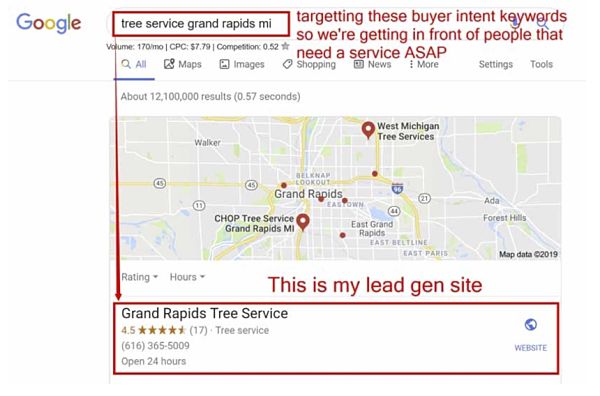
The skill of online lead generation harnesses the localization abilities of Google alongside strategic SEO to create a steady stream of new leads for small businesses.
And the best part is that anyone can learn how to do this, and after you put in the initial work, it is practically self maintaining!
So if you’re tired of constantly trading your time for money, then click here to learn more about how to get started with lead generation today.
