
Food trucks have completely changed the landscape of the restaurant industry, and have become increasingly popular at events, festivals, and even concerts.
If you’ve ever considered sharing your culinary passions with the world, but don’t have an interest in a traditional brick and mortar restaurant…
Then you’ve probably thought about hitting the streets in your own food truck.
But you’ve got some questions.
Howdy.
I’m Ippei, and I’ve been rocking it with online business, passive income and local lead generation business model since 2014.
And I’m here to walk you through my top 7 tips for starting a profitable food truck business in 2021.
I’m including everything from the realistic startup costs involved, to the average profit margins for the food truck industry.
So let’s get started.
How to Start a Food Truck Business in 2021
Want to Start a Food Truck Business in 2021? Here's What You Should Know:
Before you roll up in your fancy new food truck, there are some things you need to prepare for. To start a successful food truck, you will first need to draft a business plan, evaluate your local market, build a brand, and start booking events.
Start Up Costs
While this list is not a comprehensive compilation of everything you need to start a food truck business, it provides a snapshot of what you need to add into your business plan.
Annual Revenue of Established Food Truck Business
According to Biz Journals, the average annual revenue of this kind of business is: $250,000-$500,000
Profit Margins of Established Food Truck Business
According to Upserve, the average Profit margin of this kind of business is: 7-8%
7 Step Quick Start Checklist:
1. Write a Business Plan
Anyone who has launched a restaurant business before knows that having a solid business plan before getting started is essential…
And the same principle holds true for opening a food truck business.
In fact, having a business plan in place for your food truck empire might be even more important than for a traditional restaurant!
Although the startup costs can be more reasonable for a food truck venture than for a brick and mortar restaurant…
There are a multitude of other factors involved with opening a food truck that you will need to carefully consider before moving forward.
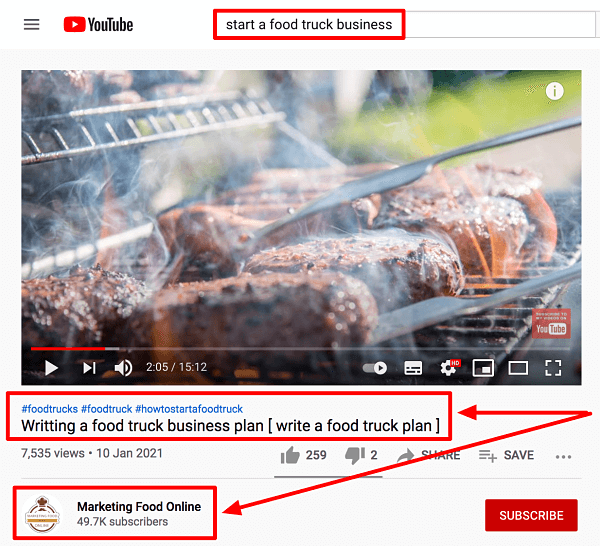
Your business plan will help you to plan for long term success, instead of getting carried away with starry-eyed daydreams of initial success.
When you are sitting down to write your business plan, it may be helpful to have a basic outline to work from:
Basic Things to Include in a Business Plan:
The most important thing about creating a business plan is that you are writing it for YOU.
Your business plan isn’t just a box to check or a document that you might need for a small business loan down the road.
It’s a working roadmap for your business.
Which means that it needs to be written with clear, actionable steps.
And it’s ok to revise it as you go along!
You can always come back to your business plan as you learn more about the viability of your local market, or about realistic financial projections for your first several years in business.
Allow your business plan to grow and evolve as your business does…
And refer back to it frequently to keep yourself on track with your food truck business goals.
2. Evaluate The Food Truck Climate (Research)
Let’s start this section off with a reality check...
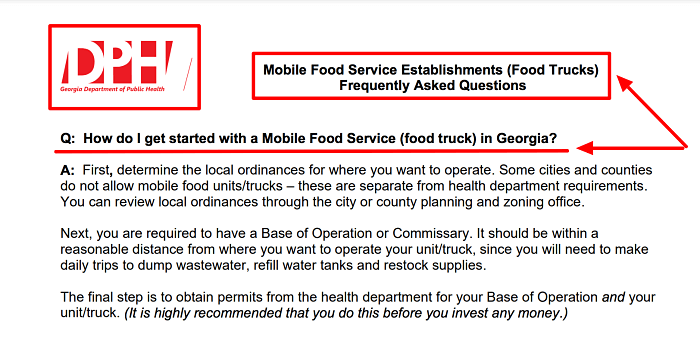
Talk to your local health department before you do anything else!
Typically, you are looking at a six month process of jumping through all of the hoops your city will throw in front of you.
Which means that you will need to have the reserves to sustain yourself for six months of hard work before your first sale…
Or you will need to be willing to work another job alongside getting your food truck business up and running.
Be prepared to put in a solid year of work where you will be losing money and working to gain your spot in the industry and build your brand’s reputation.
The reality of the food truck industry is that getting started can be one of the hardest parts…
And almost every food truck owner in existence will tell you that the regulations, licensing, and permit requirements can be overwhelming!
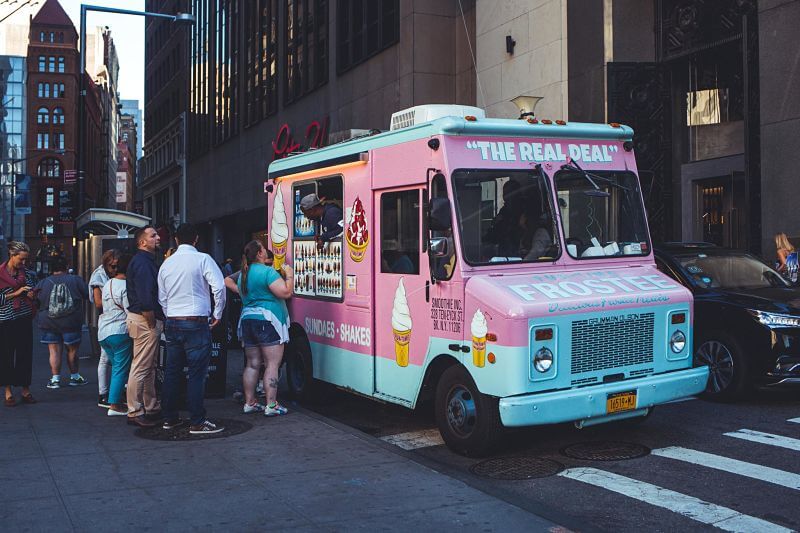
Operating a food truck is much different than operating a traditional brick and mortar restaurant, and food trucks often fall into a grey area of the law.
Is it a vehicle?
Is it a restaurant?
Is it legal at all?
Most of the time, your local officials amongst the DMV, Health Department, and Zoning officials cannot seem to agree on the answers to these questions.
Which results in a lot of confusion when it comes to obtaining the required permits and licensing for legally operating a food truck in your area.
The best advice I can give you is to do your homework on the food truck climate in your area.
At a minimum, you will need to take the following steps before opening your food truck for business...
Start by obtaining the following permits and licensing that is standard for most restaurant businesses:
Then, pursue permits that are more specific to the food truck industry, like:
From there, you can work with your local DMV to ensure that you are compliant with local parking regulations and restrictions for food trucks.
Sometimes laws will vary from county to county!
You will need to understand the following laws and regulations for your specific state and city:
Then you can determine the viability of your area for the food truck brand you are wanting to start.
Are consumers in your area educated and familiar with the food truck concept?
If there is a high demand for food trucks in your area, and your city regulations are reasonable…
Is there availability in your community’s special events that typically host food trucks?
This is a big question that many people neglect to ask.
Before assuming that you will be able to participate in local events, festivals, and farmer’s markets…
Be sure to check with them ahead of time.
Sometimes the food truck waiting list for events like these stretches out for months and sometimes even years in advance.
3. Developing Your Brand
If you want to find success in the food truck industry…
It’s going to come down to developing a strong brand with a kick-ass menu!
Half the fun of the food truck industry is that they bring personality and unique spins on classic cuisine to the restaurant industry.
So if you are going to stand out from the crowd…
You need to come prepared with a unique and compelling brand.
Sometimes this can be done through a signature menu item, and sometimes it’s as simple as bringing a hometown favorite to a new city!
Do you have a crazy idea for a delicious spin on an overdone food niche?
Like the sushi burrito?
Or the black ice cream that became so popular back in 2017?

Maybe there’s a best-selling signature item from where you grew up that is nowhere to be found in your current city?
This might be a great opportunity to make a name for yourself by introducing your new community to an old favorite.
Whatever you decide to specialize in, make sure that your branding is both clear and bold.
People should know exactly what they are going to get from your food truck before they’ve even had a bite!
You should also work on building a creative logo for your food truck business.
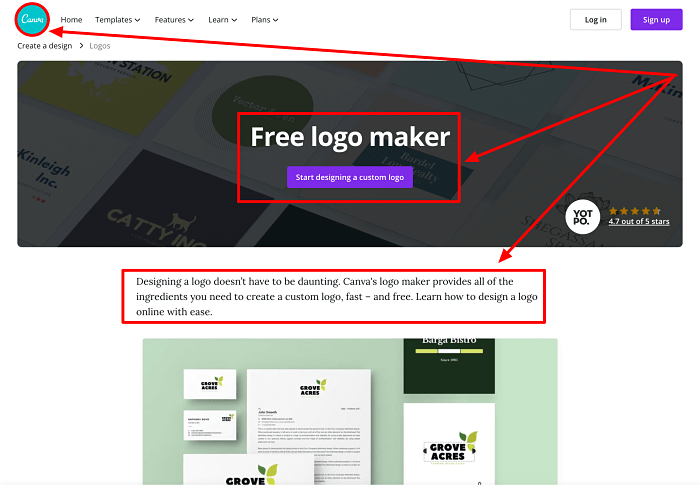
If you are hesitant to budget for a graphic designer…
You can actually build a beautiful logo yourself with programs like Canva.
No professional design experience required…
All you need is a good eye!
And once you have your brand developed it's time to think about your marketing and lead generation strategies...
4. Your Truck and Your Equipment
Finding yourself stuck on the side of the road on the weekend thinking of all the profit you are pouring down the drain because you can’t get to your event…
Is basically the worst case scenario for a food truck owner.
Which is why choosing the right truck is such a big deal!
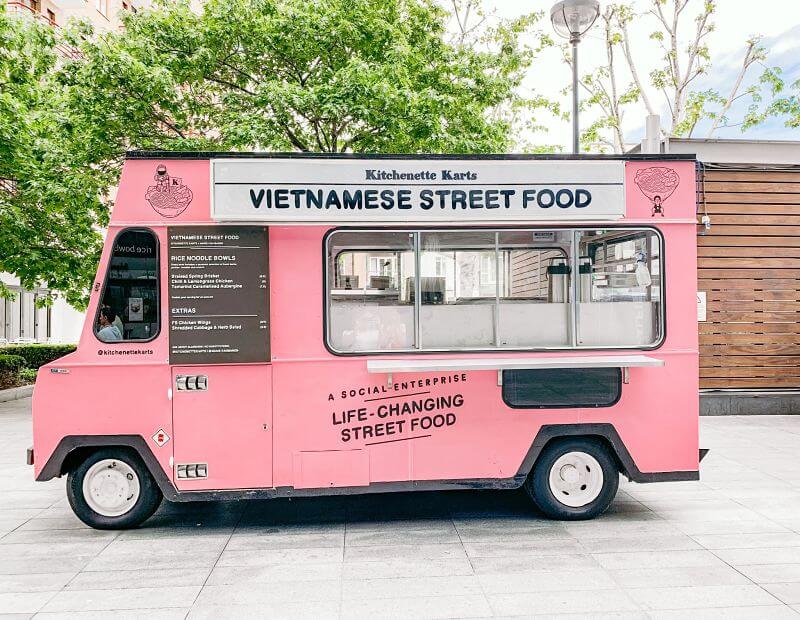
Just because you find a great deal on a used food truck doesn’t mean it’s going to save you money in the long run!
For one thing, used food trucks may or may not have much life left in them.
And purchasing a vehicle that will break down more often than it runs is only going to cost you money.
Not just in the repairs themselves, but also in the money you will lose if you find yourself in the above scenario…
Wishing you were working an event rather than replacing your transmission or the engine on your ancient food truck.
The other potential money pit with purchasing a used food truck is that your restaurant and kitchen needs may be very different than whoever this truck served before.
If you have to completely gut and redo the interior of the truck to suit your business’s needs…
Then purchasing used might not be worth your time and money either.
Another option if you are looking to save money on your food truck build without sacrificing reliability…
Is to consider a food trailer instead.
This can be an especially economical route if you already own a truck large enough to tow a trailer!
You will be able to build out a trailer in the same ways that you would build out and design a traditional food truck…
It would just be towed behind your truck instead of being a vehicle in and of itself.
I cannot stress enough the importance of doing your homework!
Call up other food truck owners in your area and ask them questions.
Research the best make, models, and years for food trucks.
And don’t be afraid of creating a custom design if it will serve your business.
The inside of a food truck is already small enough.
Don’t make things harder on yourself by settling for an inefficient layout.
The beauty of a custom design is that you can workshop the most efficient layout for your equipment.
Don’t forget to think through the less obvious areas of your food truck build either.
Such as:
Which brings me to your equipment.
Once again…
This is not the place to skimp and cut corners!
Being able to cook your food efficiently is the backbone of your business.
Although your equipment needs will vary based on your food truck niche…
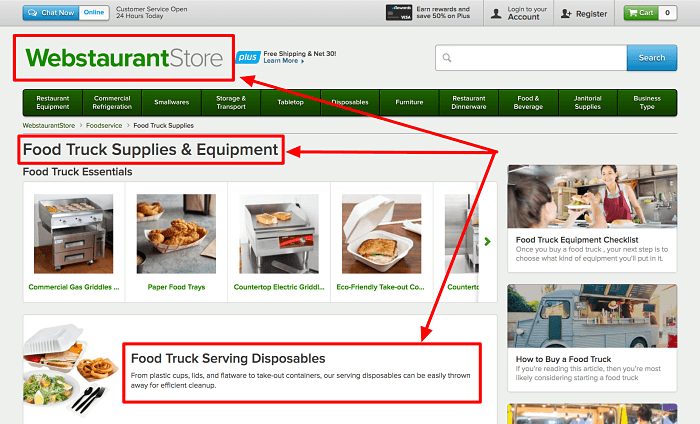
This food truck equipment checklist is a great place to start.
5. Booking Events
First things first…
Working special events is a roll of the dice.
There is no guarantee of how much money you will make…
But you have to be prepared for anything.
Which means that sometimes you will score, and sometimes you’ll walk away with a loss.
This is simply the nature of the game.
Unfortunately, this reality is exacerbated by the event organizers whose job it is to hype up their event and convince vendors to participate.
Another thing to be aware of when looking to snag a spot for your food truck at a community event is that there are often hefty percentages or hidden fees involved.
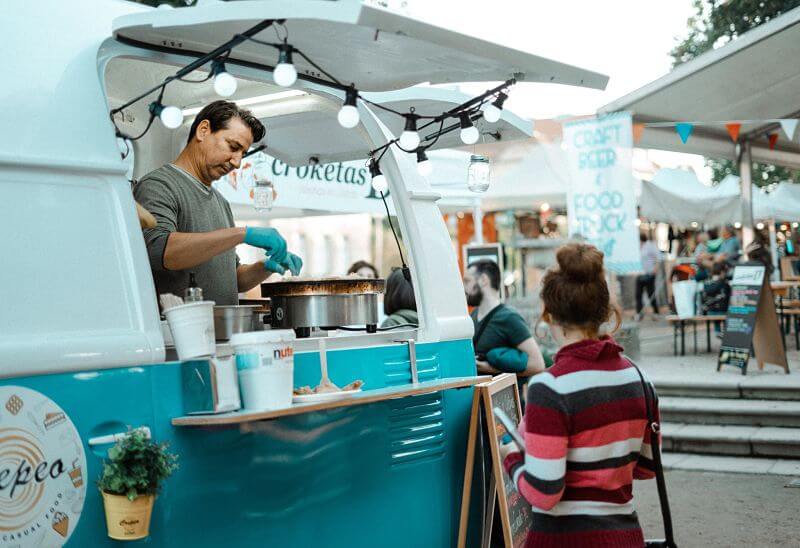
Fees are often very high to attend events and festivals ($200-$900)...
And it’s not uncommon for events to require that you give them up to 20% back of your sales!
Make sure you know how much it’s going to cost you to be at an event before you’ve made a dollar, and evaluate whether the risk is worth the investment.
This is where networking with other food trucks can come in handy.
As you establish healthy relationships with fellow vendors, you will have access to a wealth of knowledge based on their personal experiences in the food truck and event world.
Now this isn’t to say that the only reason to network with your neighborhood food trucks is because of what you will gain.
Rising tides lift all ships…
Their success is your success and vise versa.
Instead of viewing them as cutthroat competition, recognize that you are all in this industry together!
But I digress.
My point here is that they will have past experience with local events that they may be willing to share with you.
Such as:
A great way to find out about local events in your area is through the Chamber of Commerce.
Your local chamber of commerce will have information on all different community events that will be happening throughout the year.
Another way to find information is to get in contact with your city’s event planner.
Sometimes there will be a designated person in charge of tourism, entertainment, and these types of events.
Building a relationship with the city officials that are invested in putting on community events during the year will be extremely important for your long term success.
6. Event Prep and Planning
The level of organization and planning that you put in ahead of time before an event will make all the difference.
When it comes to food trucks…
It isn’t as simple as jumping behind the counter and cooking food the way that it would be in a restaurant.
Because your kitchen and restaurant are mobile…
There will be a lot of prep time involved in working events.
If you expect to roll up to an event a few minutes before you need to be ready to serve your first customer…
You are going to be sorely disappointed.
It takes time to hone your prep and set up systems.
So when you are just beginning, be sure to give yourself plenty of time to set up.
And the same goes for tear down time.
Cleaning up after an event is as important as the set up beforehand.
The last thing you need is to have back to back events only to discover that your food truck was left as a filthy disaster zone from the last event!
A great way to increase your efficiency in setup and tear down is to create charts.
You will need two different charts:
If you have a list of tasks to work off of before and after every event, it will prevent you from forgetting important steps or leaving behind items that you meant to pack.
7. Time Management and Hiring Employees
Another area that new business owners tend to forget about is efficient time management.
As the owner of your food truck, you will probably be elbows deep in every area of running your food truck.
You will be responsible for cooking, purchasing, bookkeeping, customer service, marketing, and so much more!
Eventually, this won’t be sustainable to do by yourself.
When starting out, keeping your costs low is very appealing.
Which is why so many food truck owners avoid hiring staff when they are new.
But you will eventually hit the point where there are neglected areas of your business that are going to need your attention…
And you won’t be able to give these sections of your business the attention they deserve unless you bring on employees to help free up your time.
However, when bringing on a handful of employees to assist with the strain on your time…
They likely will not have the same level of investment in running your business with excellence as you do!
Taking time to thoroughly train each new employee that you bring on is essential.
And you will need to consistently check in on their performance to maintain quality control and customer service standards.
There will also be an inevitable learning curve for these new hires.
While you might be able to whip up five different orders at the same time while still giving attentive service to your guests…
It’s going to take time for your new employees to ramp up to your speed and efficiency.
You may find that to fully replace yourself at first, you will actually need 2-3 employees to maintain efficiency, speed of service, and quality.
This will obviously be a large financial commitment…
But keep in mind that this investment will be worth it if you are able to run the back end of your business with greater excellence!
Remember, no one is going to care as deeply about your food truck as you will!
After all…
It is your restaurant baby on wheels!
But that doesn’t mean you can’t hold high standards for the employees that you hire to represent your small restaurant business while you are elsewhere.
Pros and Cons
of starting a food truck business
Pros
For many aspiring entrepreneurs, one of the greatest draws to launching a business is the freedom to set your own schedule. There’s no boss to dictate your day, or look over your shoulder… You are in control of your time. This can be both freeing, and stressful. But for most small business owners, it is one of the most gratifying aspects of being self employed.
Opening a traditional brick and mortar restaurant is a massive undertaking. One that is extremely expensive. And while I won’t pretend to say that starting a food truck will be a walk in the park… It is undeniably a more affordable alternative to that of a full scale, dine-in restaurant.
While food trucks have been around for a while now, they are truly beginning to pick up speed. Whether it’s at a designated food truck park, a specialized food truck festival, or even catering at a wedding… Food trucks are really coming into their own as a trending business model. Take advantage of the hype surrounding food trucks right now! Run with it, create something delicious, and have fun.
Speaking of running with it and having fun… The beauty of the food truck industry is that it invites a new level of culinary creativity! Capitalize on something you are passionate about, and let that become your food truck’s theme. Whether you want to offer 15 different kinds of mac and cheese, vegan hamburgers, or source only local, farm fresh ingredients… Pick something exciting that will set you apart and give your food truck a creative edge.
Cons
Even if you opt for starting your restaurant concept as a food truck rather than a dine-in, brick and mortar location… Your profit margins will still be slim by the time you’ve paid event fees, factored in gas, ingredients, equipment, a place to store/park your food truck, and labor costs. Everything adds up quickly, and the food service industry isn’t exactly known for impressive profit margins to begin with.
If you have any visions of earning steady passive income from your food truck business… I encourage you to lay those aside. Your income as a food truck owner will be directly linked to your hours. While owning your own food truck business can eventually lead to consistent passive income, that is a long way down the road.
This is pretty typical for starting a restaurant. And as a food truck, you will have to work even harder to get business, show up at the right events, and create enough hype around your food that you profit from those events. Needless to say, seeing a return on your investment will take time, and a lot of hard work.
One of the biggest downsides to the food truck world is that many events that allow food trucks charge hefty event fees simply for you to show up and serve your food. With that being said, if you choose the wrong events, or you simply fail to make enough sales during the day, you might spend more to show up than you actually make from being there. It’s often the luck of the draw, and the best events sell out quickly, often months or even a year in advance!
A Food Truck Business Can Work, but Lead Gen is Better... Here's Why:
The reality of the food truck industry is a harsh one.
It’s a hectic lifestyle that requires you to have all hands on deck at all times.
Getting into the right festivals and events can be difficult, and your profits are never guaranteed.
When starting out, you will likely work 60+ hours a week, all seven days of the week.
And if you are passionate about the food that you create, and committed to your food truck concept…
Then by all means, go for it!
Many people have found great success through the food truck industry, and it can be a creative and fulfilling business model for many culinary minded entrepreneurs.
However, if all that blood, sweat, and tears sounds a little bit overwhelming to you…
I can guarantee you that starting a food truck isn’t the best way to succeed as an independent business owner.
And I can say that because I know.
When I left my 9-5 job over six years ago now to pursue my own business, I could barely pay my bills.
I experimented with everything from affiliate marketing to drop shopping, but it wasn’t until I landed on the local lead generation business model that I found real success.
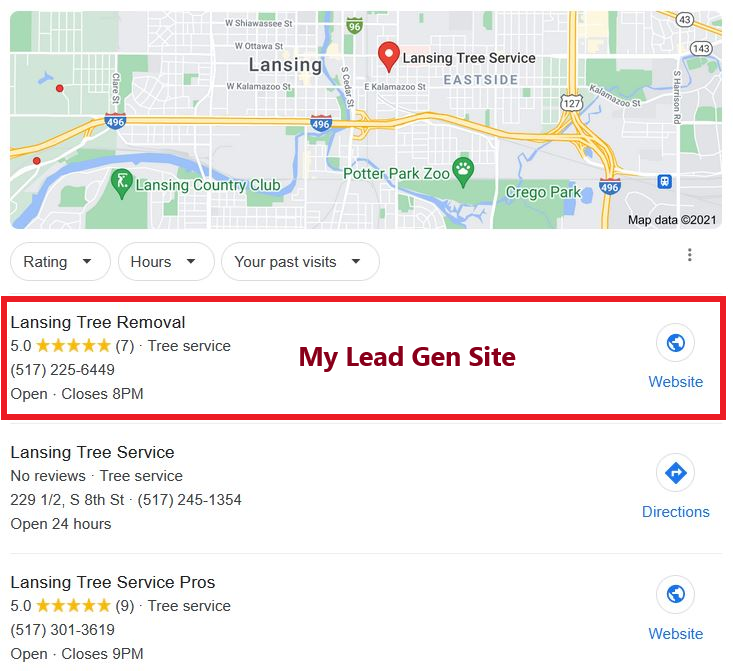
Online lead generation quickly catapulted me from making around 2K per month at my old job, to bringing in over 50K per month in passive income less than five years!
Plus I was getting to help small business owners thrive by supplying them with a steady stream of new leads.

And local lead generation is a skill that anyone can learn.
So if this sounds a little more your speed...
Then click here more more information on how we can help you get started with lead generation today.
