
When you put a green thumb and an eye for design together, what do you get?
The makings of a great landscape design business.
But what does it really take to start a successful landscaping business in 2021?
Is there a difference between landscaping and a traditional lawn care business?
And what can I expect to make from a landscaping business?
I’m Ippei, and I’m an expert at all things online business, passive income, and lead generation…
And I’m going to walk you through these 7 must know tips for anyone considering a career as a landscape designer.
Plus, I’m also including a realistic breakdown of the startup costs, average profit margins, and revenue potential for a landscaping business.
So let’s jump right in.
How to Start a
Landscaping Business in 2021
Want to Start a Landscaping Business in 2021? Here's What You Can Expect:
Landscape design is a fulfilling and creative job, whether you choose to pursue a degree in landscape architecture, or a certificate in landscape design. To start a landscaping business, you need to know the differences between landscape design and law care, create a business plan, and learn to estimate jobs.
Start Up Costs
While this list is not a comprehensive compilation of every you need to start a landscaping business, it provides a snapshot of what you need to add into your business plan.
Annual Revenue of Established Landscaping Business
According to Turf Magazine , the average annual revenue of this kind of business is: $542,653
Profit Margins of Established Landscaping Business
According to this website, the average Profit margin of this kind of business is: 5-20%
7 Step Quick Start Checklist:
1. Write Business Plan
Before we jump right into some of the more in depth steps about how to start a landscaping business in 2021…
Let’s clarify the key differences between landscaping and lawn care.
While there are many overlapping similarities that these two industries share, there are also some distinct separations between the two.
Lawn care is focused on the maintenance involved with caring for someone's yard or existing landscaping.
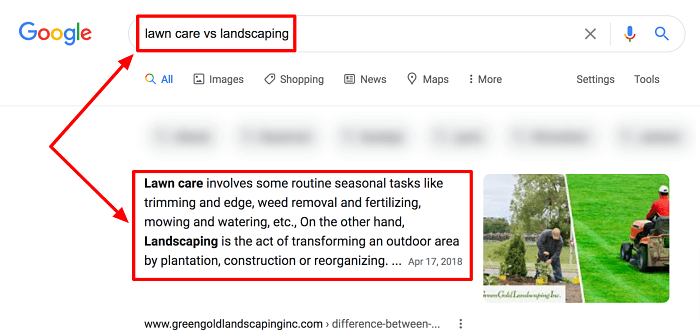
Primarily, this involves certain routine and usually seasonal tasks such as:
Whereas landscaping and landscape design is focused on your yard or outdoor area from a more artistic perspective.
Specifically, landscape designers can look at an outdoor space and know how to completely transform it through a thoughtfully designed landscape installation…

That involves far more than just shaping up the existing bushes, plants, and lawn.
Landscape design can be as simple as adding curb appeal to a residential home, or doing a large outdoor landscaping installation for public areas like a city park.
Some of the various responsibilities and abilities of landscaping company would be:
As you can see, this work is much more detailed and involved than what your standard lawn care company typically offers.
In light of this, another key distinction between landscaping and lawn care…
Is that there are actually several educational requirements and certificates that are expected of a landscape designer.
2. Education Requirements and Certificates

Depending on your long term goals, you will need to decide which level of education is necessary for the landscaping business you wish to start.
Assuming that you don’t already have the necessary requirements before pursuing this business opportunity.
The highest level of education and qualification that you could pursue in the landscaping field is that of a Landscape Architecture Degree.
In fact, to be able to legally call yourself a landscape architect, you are required to have either a bachelor’s degree or a master’s degree in landscape architecture from a college or university.
And in addition to this you will also be responsible for acquiring a landscape license from your local state authorities that permits you to design and work on various landscape projects.

A landscape architect will learn a variety of different things during their degree…
Including, but not limited to, the following landscape design skills:
Landscape Architecture Degree (bachelor’s or masters)
Typically, an experience landscape architect will work on projects like:
Another interesting thing that a landscape architecture degree enables you to do is to take pat in natural landscape restoration projects such as that of:
But if all of this is starting to make your eye twitch…
Don’t worry!
You don’t necessarily need to go the route of earning a full bachelor’s or master’s degree in landscape architecture just to start a landscaping business!
If that’s your cup of tea, then by all means…
Go for it.
But the alternative is not only a much shorter process, but also much more budget friendly.
And that is the route of getting a landscape design certificate.
Although not as “prestigious” as a degree, a landscape certificate can typically be completed within 1-2 years…
And they usually only cost between $450-$5,000 for the program!
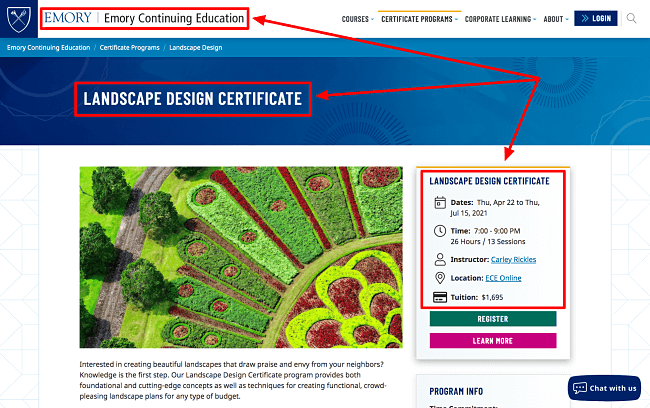
Landscape Design classes are usually held at a local college, and your course work would cover the following skills:
Landscape Design Certificate:
The primary difference is that landscape designers are usually focused on smaller scale residential projects…
Whereas a landscape architect might be employed for much larger installations.
Plus, a landscape architect will hold the required state license, whereas a landscape designer will not.
This is an important distinction, since many of the skills overlap…
And sometimes a landscape designer may possess many of the same skills and level of expertise as a licensed landscape architect.
3. Write a Business Plan
Regardless of the industry you’re getting into, or the size and scale of business that you want to start…
I always recommend sitting down and writing a business plan.
It doesn’t necessarily need to be super long or formal, unless you plan to seek outside funding from potential investors or small business loans.
But it’s a great place to start when mapping out your long term business goals, and the systems you will implement to achieve them.
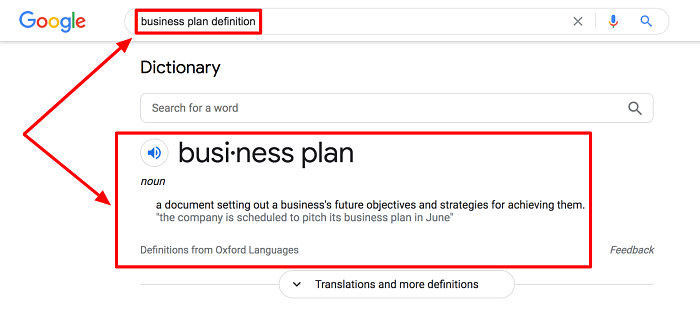
Here is a simple business plan outline that will help get you started:
Basic Things to Include in a Business Plan:
The most important part of any business plan is creating a road map that will be useful to you as the business owner.
So make sure that you are including clear, actionable steps, and realistic long term and short term financial goals.
Another ikey section of any good business plan is a thorough market analysis.
Before you can launch a successful landscaping business, you need to know what the viability of your local market is,
If there aren’t any customer’s in need of your specialized services…
Then it won’t matter how skilled you are at your craft, or what your certifications are.
And this is where the market analysis of local demographics comes in.
4. Make Uncle Sam Happy
Now that you are fully prepared with what you need to know about the landscaping industry and the necessary qualifications before you can get started…
It’s time to get down to the nitty gritty legalities of running your own business.
If you plan on making any money with your business (which obviously you are!)...
Then good ol’ Uncle Sam wants to know about it.
Which means you need to be set up legally with a suitable business entity, an EIN number, and a business bank account.
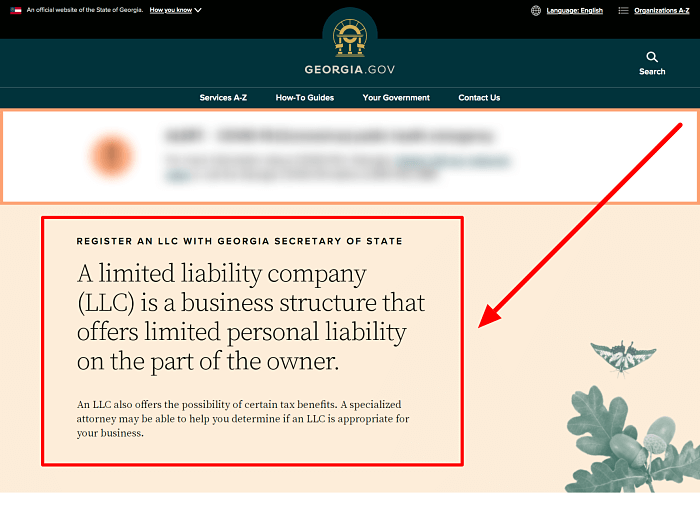
When it comes to your business entity and structure, the most obvious decision is going to be forming an LLC.
While there are other options out there, like:
These business structures don’t usually fit the needs of most small business startups.
Obviously, a Partnership only applies if you are going into business with someone else.
And an S. Corp is much better suited to a massive company that has much more complex needs than most businesses.
A Sole Proprietorship is actually how your business will be classified automatically if you choose not to establish an LLC or other entity structure.
Unfortunately, the shortcomings of the Sole P. structure are numerous, and they are poorly suited to anyone bringing in more than a couple thousand dollars a year.
Specifically, a Sole Proprietorship offers little to no legal protection for the business owner.
This is why an LLC is the best choice for most small business owners in the beginning…
As the structure of a Limited Liability Corporation protects the business owner and the personal assets of the business owner in the case of legal action.
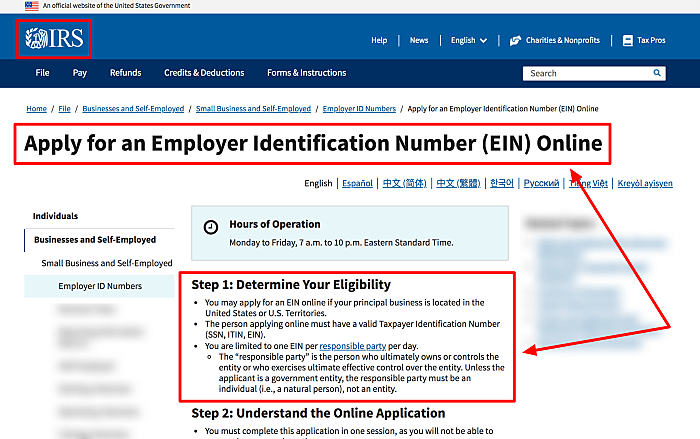
From there, you will need to apply for your EIN number.
An EIN number, which is short for “Employee Identification Number”, is used for tax purposes.
Plus, it allows you to hire employees down the road, and gives you the ability to open a business bank account.
Which you absolutely need.
A business bank account keeps everything neat and tidy in your finances.
Mixing your personal finances with business finances gets extremely messy and hard to untangle come tax time.
So it makes everything much easier to just set up that business bank account from day one.
Plus, it adds a level of credibility to your landscaping business.
5. Marketing for Your Landscaping Business
What is a business without leads?
I know, I know, this sounds like a bad joke…
But there are no clowns in a Volkswagen to be seen here.
The answer is simple:
It’s not a business, it’s a freakishly expensive hobby.
This is why a business’s marketing can be the make-it or break-it point.
Fortunately, you are in the right place.
We actually happen to teach local business owners how to sustainably generate new leads with a minimal amount of effort.
And we could do exactly that for your landscaping business.
So if you’re interested in learning more about how we can help get your business started with solid lead generation strategies today, click here for more info.
In addition to implementing a lead generation strategy into your landscaping business marketing plan…
There are some other simple steps that you can take to set your business up for marketing success.
The first one might be obvious…
But just in case, I’m going to say it anyways:
You need to build a website!
Having a professional and user friendly website for your business isn’t an optional step…
It’s a must-have.
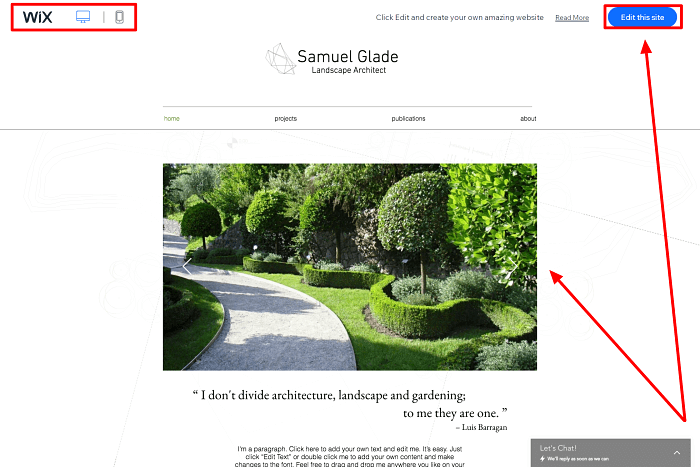
But just because you aren’t a professional web designer, doesn’t mean you need to hire one if it’s not in the budgeting cards right now.
There are a variety of fantastic template based website builders that almost anyone can use to create a sharp looking website for their business.
Some of my personal favorites are:
And once you have your website up and running, go ahead and sign up for a Google My Business Page.
Not only is this a completely free step that you can take to further market your business, but it’s actually one of the BEST marketing steps you can take right now.
Having a GMB page for your business boosts visibility and increases your chances of being found by potential customers in localized Google search results and in Google Maps.
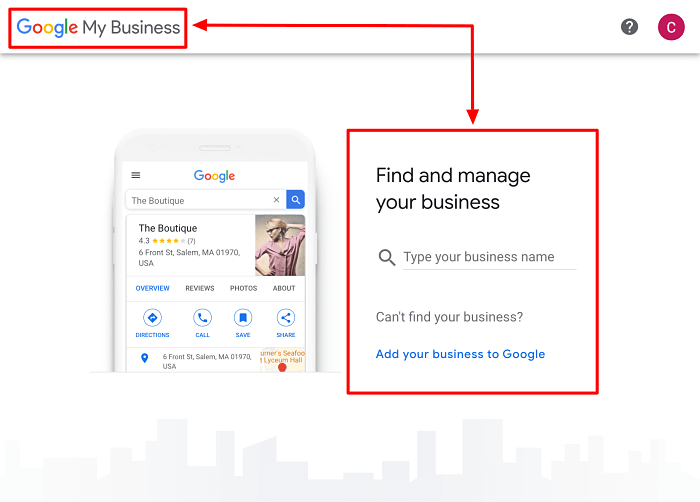
Once you receive the passcode post card in the mail to confirm your business’s registered address, you’ll be ready to rock and roll!
Lastly, don’t neglect the power of social media.
Landscaping is all about visual appeal…
Which makes it the perfect kind of business to market via social media platforms.
You can post pictures of your landscape installations that will display the scope of your skills, and act as a working portfolio for people to view.
Plus, having active social media accounts for your landscaping biz will allow your friends, family, and previous clients to easily share your business with people that they know.
6. Planning and Estimating Design Jobs
A huge part of running and starting a profitable landscape design business is being able to plan and estimate your design jobs.
When a potential client first calls you, they will probably rattle off a whole list of things they want done to their yard or outdoor space…
But there is only so much you can find out from a phone conversation without physically evaluating the space.
Which is why you will need to visit the property in person before you can build out a design plan and give the customer a realistic project estimate.
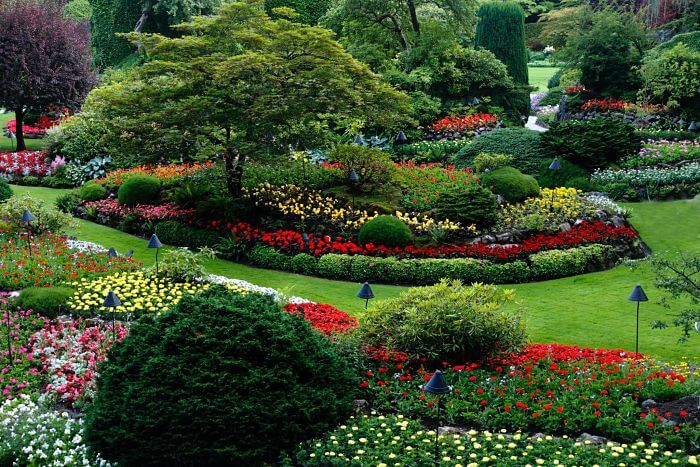
Here is the basic chain of events that you can expect when planning and quoting a new landscape design project for both residential and commercial installations:
Plus, most people are calling you because they are not a landscaping professional themselves…
So it won’t matter what they want done if it doesn’t make sense or work for the property they actually have!
Going in person to survey the project will allow you to give your professional input, take pictures of the space, and discuss what will be feasible for the client within their desired taste and budget.
From there you will be able to get a realistic evaluation of the scope of work, and be able to price your services accordingly.
Never offer a quote for a project without seeing the property in person and speaking with the client.
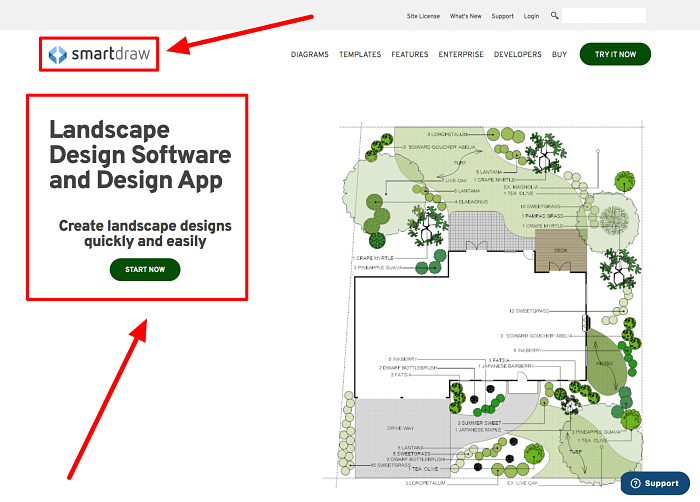
When designing the landscaping installation, many designers will use a landscape design software to help them create plan view drawings and 3D design mockups for their clients.
This article breaks down some of the best landscaping software programs available:
https://www.thespruce.com/best-landscape-design-software-5105016
Next, you will need to make a list of your plants and necessary supplies…
And decide whether you will be doing the physical installation work yourself, or hiring out another landscaping contractor to complete the installation.
7. Prepare for Weather and Seasonality
Here’s the deal:
Landscaping work tends to dry up as soon as the warmer months have passed.
When people start to emerge from their homes during the spring and summer months, they become painfully aware of all the landscaping work that really needs to get done.
This is when marketing your services and booking jobs will be incredibly easy!
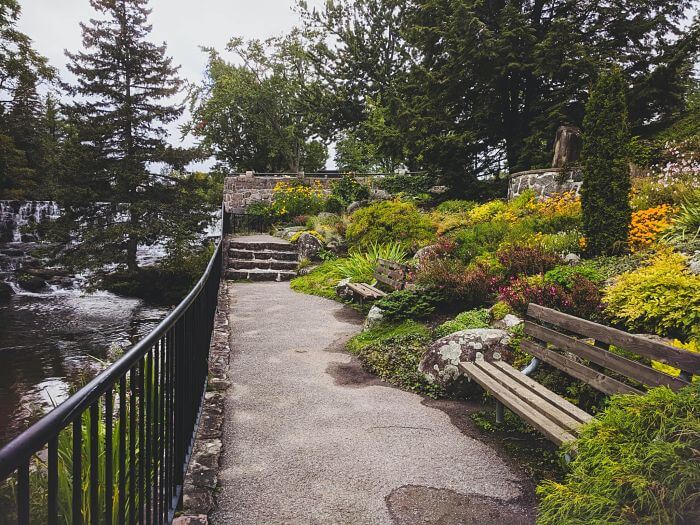
But the nature of seasonal work is that you will have busy seasons and slow seasons…
So you need to be prepared for the slow season that winter will inevitably bring.
There are several different strategies and approaches you can take when it comes to the seasonality of the landscaping industry…
The first is to shrug your shoulders, and pursue a side hustle during the winter months.
Which is completely fine, if that’s what you want to do.

But the alternatives are far superior to working a random part time job just because it’s cold outside!
Many landscaping business owners hustle hard during Spring and Summer so that the income they generate during half the year can sustain them for the duration of the year.
This can be a fantastic approach if you are willing to budget accordingly.
Alternatively, you can take measures to “winterize” your business model.
There are actually a variety of services that landscaping businesses can consider offering during winter time to continue bringing in money.
Some great ideas for winter services as a landscape business are:
While these services might not enable you to maintain the same level of revenue as your busy season, they can help to offset the drastic impact of a slow season!
Pros and Cons
of starting a landscaping business
Pros
The good news when it comes to educational requirements for the landscaping industry is that you have options! While you do need some level of education before you can get started, it doesn’t necessarily have to be a bachelor's or master’s degree in landscaping architecture. You can opt for a landscaping certificate as well.
If you have a passion for the natural world, caring for the environment, and preserving nature, then there is the potential to use your landscaping degree to preserve and restore natural landscapes. For example, you may be able to contribute to wetland restoration projects, or other such environmentally focused landscaping projects.
For many aspiring entrepreneurs, one of the greatest draws to launching a business is the freedom to set your own schedule. There’s no boss to dictate your day, or look over your shoulder… You are in control of your time. This can be both freeing, and stressful. But for most small business owners, it is one of the most gratifying aspects of being self employed.
Landscaping is a very physically active business. You will be moving and working outside almost every day unless it rains. Because of this, your job alone will help to maintain your physical fitness. And for many people who don’t enjoy sitting still behind a desk all day, this is a great business model.
Cons
One of the biggest downsides to the landscaping industry is that it is extremely seasonal. During the winter months in your region, you will be hard pressed to find work. While there are several winter lawn care services that you can offer to your existing clients, you will need to be prepared for an overall drop-off of your workload.
If you have any visions of earning steady passive income from your landscaping business… I encourage you to lay those aside. Your income as a landscaping company will be directly linked to your hours. While owning your own landscaping business can eventually lead to consistent passive income, that is a long way down the road.
While there are a variety of educational routes that you can take to launch a landscaping business...You will need some level of certification to get started. For many people, this is a significant barrier to entry for this business model, as obtaining an education takes significant time and finances. Even if you go the route of a landscaping certificate rather than a landscaping degree.
Starting a Landscaping Business Can Work... if You Know This First:
At the end of the day, the one thing that all businesses have in common is this:
They all need leads.
Without new leads coming in, you will constantly be struggling to book landscaping jobs.
Instead of stressing over sales and booking new jobs…
You should be focused on the other aspects of running your business that need your attention.

Fortunately, generating leads for your landscaping business doesn’t have to be complicated or stressful.
And I can prove it.
When I left my 9-5 job to pursue online business over six years ago…
I discovered the online lead generation business model.
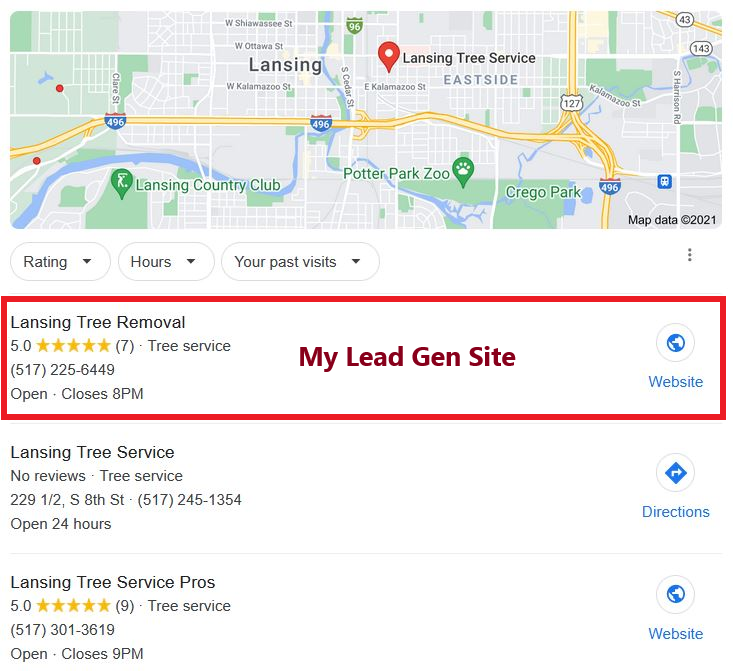
And it quickly carried me from making 2K per month at my old job to making well over 50K per month in less than five years.
The best part?
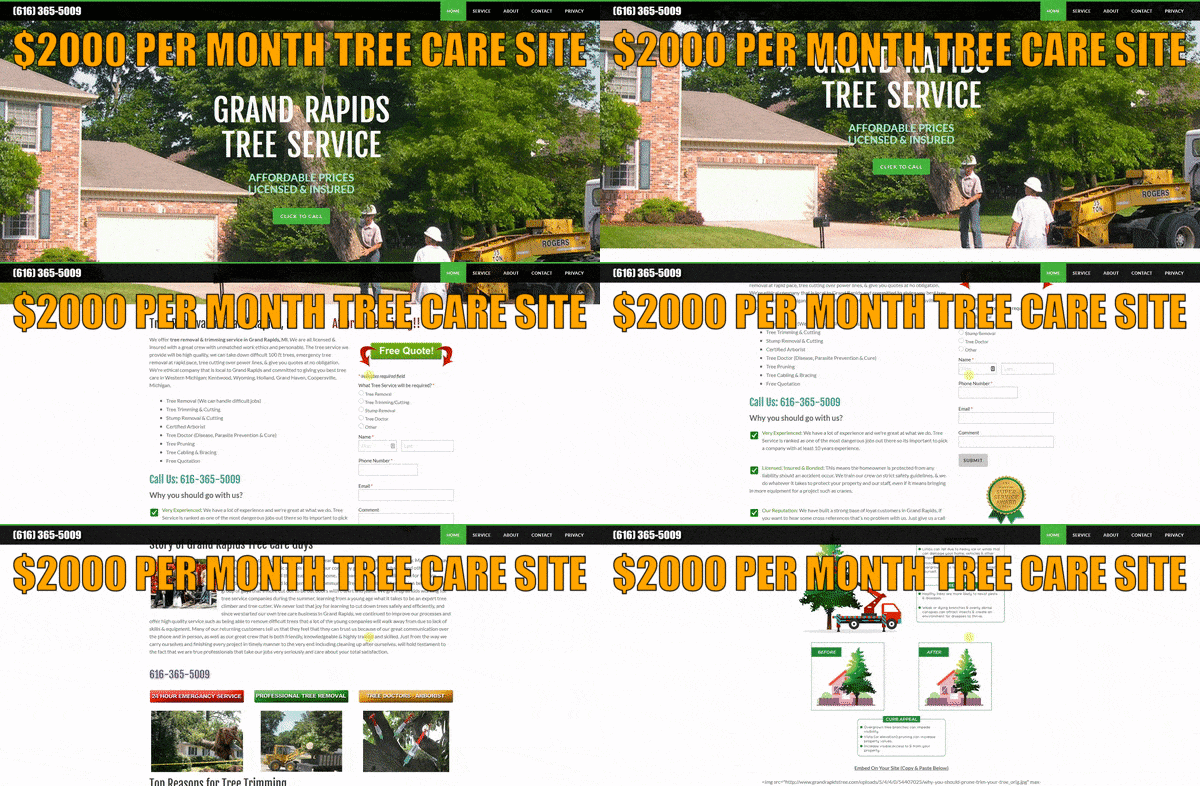
Local lead generation can change the game for your landscaping business and create a sustainable and steady stream of new business for you.
If you want to learn more about how we can help you get started with local lead generation, click here for more information.
