
The lawn care business isn’t just for the neighbor boys anymore.
You may remember many long hot summers spent mowing zebra stripes into your poor neighbors’ yards in hopes of making a quick buck and having some vacation spending money…
But the lawn care industry continues to grow in demand as people’s lives become busier and busier.
Which is exactly why I’ve taken the time to create this 7 step quick-start guide that will cover everything you need to know about getting started with a lawn care company in 2021.
And if you’re wondering why you should even be listening to me:
My name’s Ippei, and I’ve been thriving in the world of passive income and all things business since 2014.
Plus, I’m going to cover the realistic startup costs that you can expect in the lawn care industry, as well as the average profit margins and revenue!
So if you don’t mind a little sweat equity, and probably some literal sweat on your brow…
Let’s get right to it!
How to Start a Lawn Care Business in 2021
Want to Start a Lawn Care Business in 2021? Here's What You Should Know:
The lawn care industry is thriving, and can become a profitable business model if you do it right. But to get started, you will need to create a solid business plan, invest in quality equipment, hone your marketing, and hire employees. Plus prepare yourself for working in a seasonal industry.
Start Up Costs
While this list is not a comprehensive compilation of every you need to start a lawn care business, it provides a snapshot of what you need to add into your business plan.
Annual Revenue of Established Lawn Care Business
According to Lawn Starter, the average annual revenue of this kind of business is: $50,000-$1,000,000
Profit Margins of Established Lawn Care Business
According to Go Materials, the average Profit margin of this kind of business is: 5-20%
7 Step Quick Start Checklist:
1. Write Business Plan

I know, I know…
You’re rolling your eyes right now.
Here is yet another article telling you to write a freaking business plan when all you want to do is mow some lawns and trims some hedges!
But hold on for a second.
While writing a formal business plan might not be necessary for someone who wants to start a home based lawn care business…
That doesn’t mean you don’t need a business plan at all!
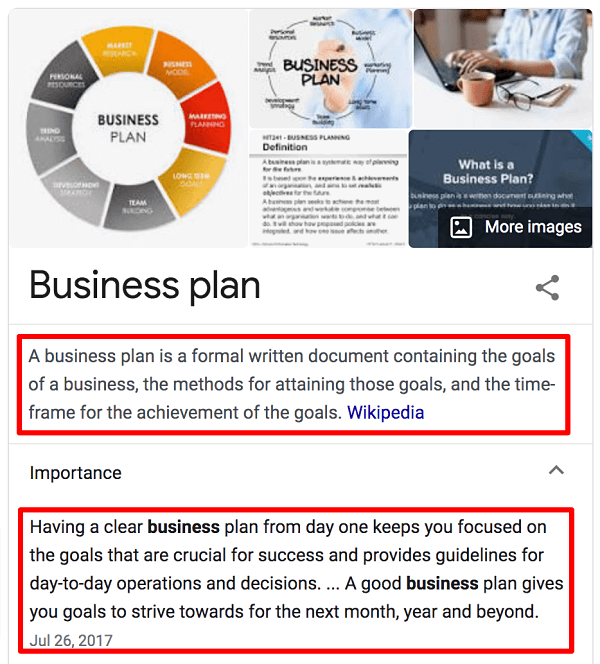
It’s easy to write off business plans as complex, fancy, formal documents that are only necessary for entrepreneurs that are seeking outside funding from investors or small business loans…
But at the core of it all, a business plan is for YOU as the business owner.
So even if you don’t need to use your business plan for startup funding, you do need a road map to guide you through the wild ride that is launching your own business!
The purpose of a written business plan is to establish clear and actionable steps and systems for your business’s future.
This includes everything from processes and procedures, to your target market analysis and long term financial projects.
Here is a basic outline for you to work off of when drafting your own lawn care business plan:
Basic Things to Include in a Business Plan:
But if this is overwhelming, just remember that the most important part of having a business plan is that it serves your needs and helps you achieve success.
So don’t get too caught up in the minutia and formalities.
Focus on what you need to succeed, and work from there.
2. Getting Your Biz Legal
Even if you decide that lawn care is just going to be a seasonal side hustle for you…
You still need to take steps to ensure that your lawn care business is operating legally and “above board.”
This starts by getting your business registered as an LLC.
If you choose not to establish an LLC as your business’s legal entity structure, you will be automatically classified as a Sole Proprietorship.
While it is perfectly acceptable and legal, the major downside to a Sole. P business structure is that it offers no legal personal protections for you or your personal assets.

Setting up an Limited Liability Corporation minimizes the risk and liability involved in running a small business by ensuring that in the case of a lawsuit…
Only your business and your business assets are liable.
(AKA no one is going to be coming after your house in court!)
After you have set up your LLC, you will be able to apply for an EIN number.
Your business’s EIN number is your business’s tax identification number, and it allows you to file taxes, hire employees, and even open a business bank account.
Speaking of which, don’t forget that step!
Mixing your personal and business finances together under the same bank account is a recipe for disaster.
So before you mow a single lawn, cash a single check, or buy a single piece of equipment…
Save yourself (and your accountant) from a massive headache down the road and set up your business bank account.

Lastly, don’t forget business insurance!
Not only are you doing manual labor that could result in an injury for you or an employee, but you’re also working with equipment that can be expensive to replace.
Invest in comprehensive commercial business insurance and workman’s comp insurance, especially if you have even one employee!
3. Training and Qualifications
You might be wondering if there are any specific licensing requirements or certifications that you will need to run a lawn care business.
Fortunately, there aren’t any.
If you can trim hedges with the best of them, there really aren’t any rules or regulations surrounding the lawn care industry.
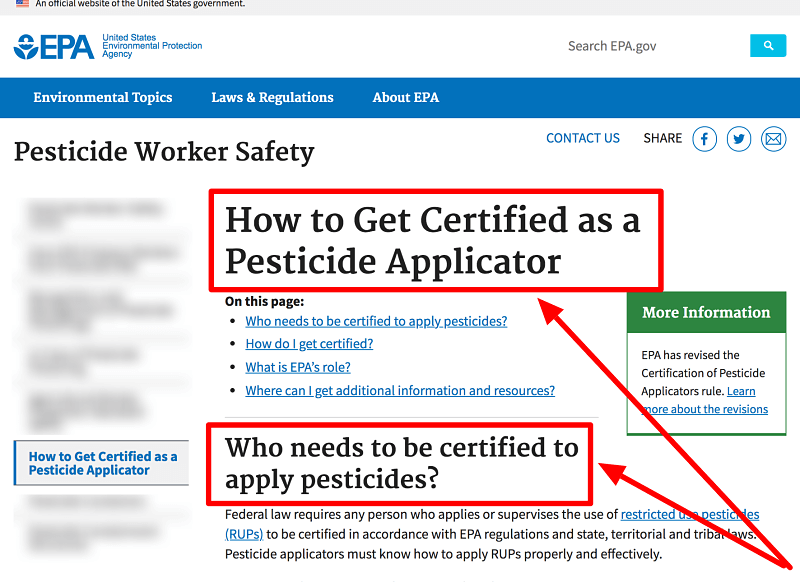
However, if you are working with any type of pesticide registered under the EPA, then you will need a license.
To be sure that you are compliant with your local licensing and regulation requirements, check with the Department of Agriculture in your state to clarify specific rules and restrictions.
While there aren’t many regulations or specific qualifications that govern the lawn care and landscaping business industries…
You should be prepared for several things.
For starters, you need to be comfortable with manual labor.
Working outside in the heat of the summer day in and day out is not something to take lightly.
And if you are not physically fit and comfortable with hard manual labor on a consistent basis…
You are going to be in for a rude awakening when your summer as a CEO looks a lot more like constant blisters, sunburn, and exhaustion than you realized you were signing up for.

Plus, if we’re being blunt here…
You need to know your way around your equipment.
If you’re jumping into this business simply for the money, without any background or experience in landscaping…
It might be time to rethink your plans.
Or at least practice on your own yard and maybe your friends’ yards before you start advertising your services.
These are just some basic considerations that need to be accounted for before you decide to go all in with a landscaping and lawn care business this year.
4. Invest in Equipment
Turning a profit sooner rather than later is an obvious goal when it comes to starting a business.
But despite this, many people get so hung up on what they think they need to get started that they actually make this goal much harder to attain without realizing it.
One of the biggest areas that can create a potential problem when it comes to your return on investment…
Is your equipment.
While there are several pieces of equipment that you will need before you can really get going as a lawn care business…
You don’t actually need the biggest, best, or most expensive items right from the start.
It would be better to start within your means and minimize debt by purchasing only what you absolutely need now…
And then upgrading your equipment later once you have a steady cash flow.

Trust me, while that shiny $5,000 or even $15,000 riding mower looks like a dream come true…
The $350 push mower will get the job done.
Don’t rationalize unwise equipment purchases in the beginning by convincing yourself that they will increase your efficiency.
Yes, this might be true…
But efficiency won’t matter if your business can’t make it through the first year.
And making it through the first year requires a lean operating budget, and minimal startup costs.
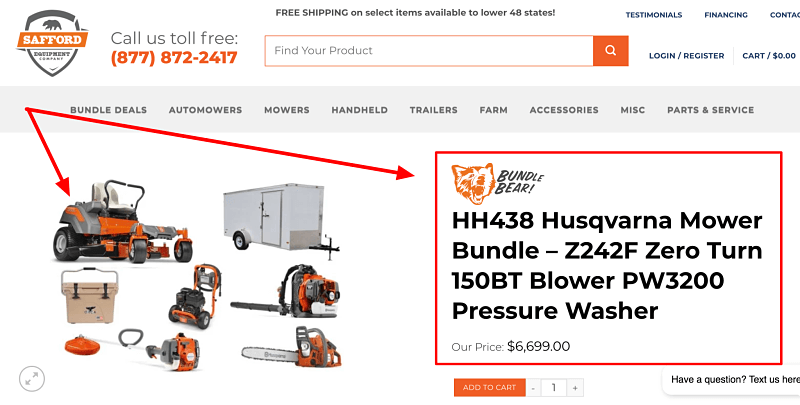
Here is a basic list of equipment that you will need to get started in the lawn care business:
Remember, just because you can’t purchase everything on this list today doesn’t mean you won’t ever be able to!
Save up, work hard, and invest your profit back into the business.
Before you know it, you’ll be riding around town on that dream mower!

Another thing to keep in mind is that the only thing that matters more than the quality of your equipment…
Is the maintenance of your equipment.
Steward what you have well, so that no matter how new or old your equipment is…
It will last you for many more years to come.

Keep a daily maintenance checklist that either you or your crew will complete consistently:
Maintenance:
5. Marketing Your Lawn Care Business
In the lawn care business, one of the most valuable marketing opportunities you will have is the one that goes with you everywhere:
Your work vehicle.
When you drive from job to job, your work truck or van is the perfect opportunity to advertise your landscaping and lawn maintenance business services!
Whether you go the full blown route of getting your truck wrapped, or you stick to simply labeling your work vehicle with your business name and contact info…
Take advantage of the fact that you are literally driving around in a mobile billboard.
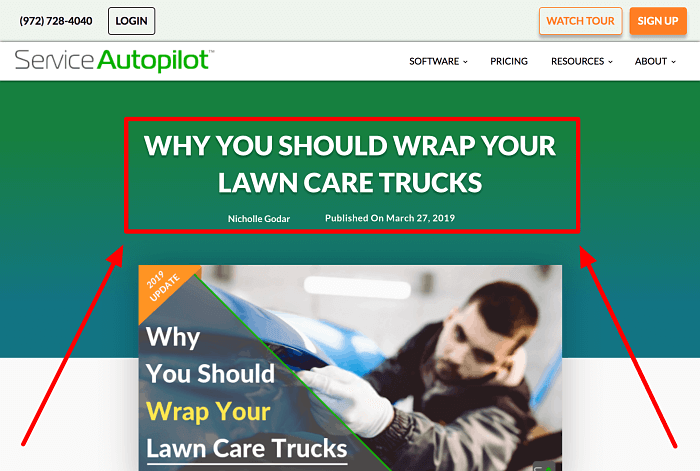
On top of getting your landscaping truck or lawn care van wrapped, you can also build out a website for your business.
Fortunately, creating a website doesn’t have to be complicated, and you don’t even have to hire a web designer if that’s not in the budget for you.
There are some fantastic template based website builders available now that make website creation simple for even those without any design capabilities.
Some of my personal recommendations are:
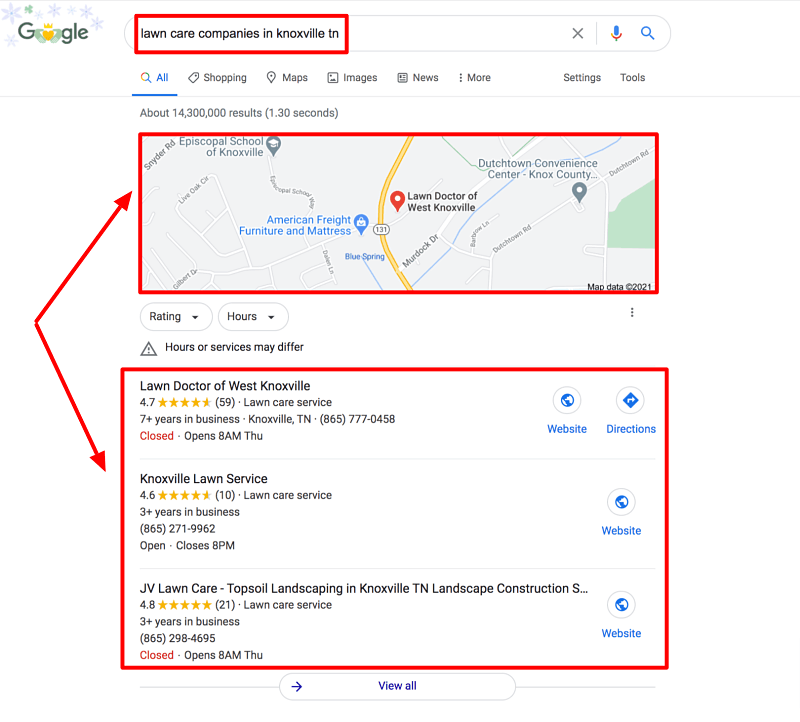
From there, don’t forget to create a Google My Business page.
A GMB page is completely free, and it will majorly boost your business’s visibility within Google.
Plus, when people search locally for lawn care services, they will be able to easily find you in Google maps search results.
It also never hurts to stay active on social media!
We’re living in a modern age, and social media platforms have more influence over our decisions making than ever before.
Social media is a great opportunity to establish yourself as an expert within your field and lawn care industry…
And having a business page set up will make it easier for your previous customers, friends, and family members, to share your business with others.
All of these marketing techniques work synergistically together to boost your business’s visibility and increase sales…
But sometimes all the truck wrapping and social media posts in the world just aren’t enough to keep a steady stream of new business coming in.
If you really want to be successful with how to start a lawn care business in 2021…
Then you need a lead generation strategy for your business to grow.
Fortunately, I happen to be an expert at lead generation for small businesses!
Once everything is set up, generating new leads for your lawn care business will happen without you needing to lift a finger.
So if you want to know more about how we can help you create a sustainable stream of new business leads for your lawn care company…
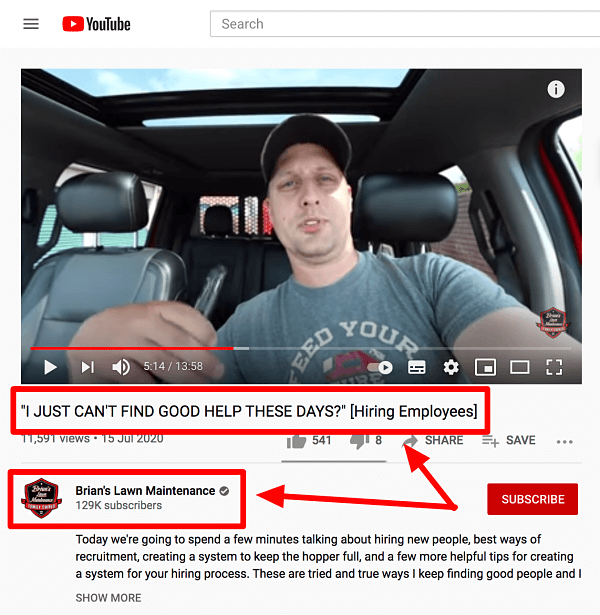
6. Hiring Employees
Lawn care is hard work!
That’s just a fact.
Once your work starts piling up, especially during spring and summer…
You may not be able to handle the workload capacity on your own.
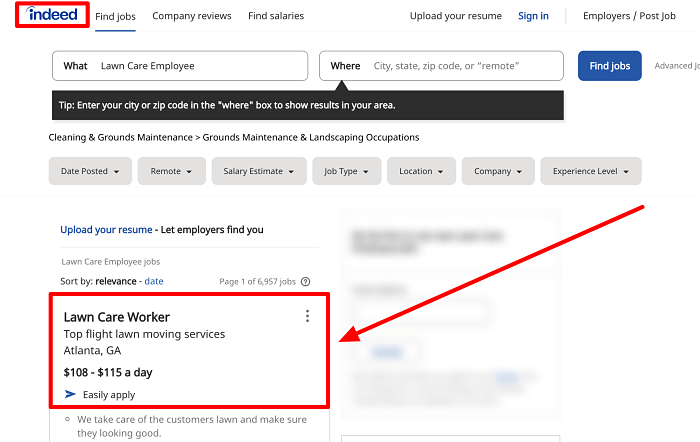
Which means that it’s time to consider hiring employees.
And if you aren’t ready to commit to hiring full or part time employees…
You can always contract out your labor during the busy season.
The only downside to bring on independent lawn care contractors is that they don’t technically work for your business.
Yes, you’re hiring them…
But they are independent contractors who work for themselves at the end of the day.
If they don’t show up on time, or their customer service skills leave something to be desired…
You can fire them, but you can’t control them.
When you hire an employee, there is typically a training process where they will learn about your company policies and procedures…
And you can hold them accountable to certain levels of quality and workplace performance that you cannot demand or expect from an independent contractor.
However, on the flip side of things…
Hiring an employee means that you will need to be prepared to claim them on your business taxes…
As well as delivering the amount of work promised to them.
If you hire someone on with the guarantee of 30-40hrs of work per week, but then your business drops off unexpectedly…
You need to be able to keep your commitment to them, even if it means sacrificing some profit for yourself.
Plus, you need to be mindful of the fact that simply because you need help during the warmer months of the year…
That doesn't mean that you will continue to have the same volume of work during the fall and winter seasons.
Don’t hire on 3-4 guys in your first year when things start to pick up speed…
Only to have to let them go when October comes.
Fortunately, there are many high school and college age students that would love the opportunity of a summer job…
And have no qualms with only being guaranteed 3-4 months of work!
7. Prepare for Weather and Seasonality
If you haven’t caught my drift from the previous section…
Seasons and weather have a major impact on the lawn care industry.
On a very basic level…
Rain will be your worst enemy.
If you have jobs scheduled for a day when the sky decides to bottom out, you will have to be prepared to reschedule work for a later date.
For this reason, many lawn care businesses choose to leave their weekends open so that they can reschedule rained out jobs when necessary.
Another thing to remember is that while business might be booming from April-September…
That still leaves six months out of the year that you and your family will still need a paycheck!

Some lawn care businesses stay so busy during the spring and summer that they can easily afford to live off of that income for the remainder of the year.
But don’t expect this to be the case.
You need to be aware of the seasonality and nature of this business model, and prepare accordingly.
Whether that means finding another side hustle for the cooler months of the year to help supplement your income…
Or expanding your services to “winterize” your lawn care business revenue streams.
Some examples of ways that you can expand your service list in preparation of winter are:
You can choose to either plow into winter with the driven and positive mentality of an entrepreneur…
Or you can sit back and accept defeat.
The way that you learn to pivot your business to handle the different roadblocks, economic shifts, weather, and even the seasons will determine whether or not your business is built to last.
View each challenge as an opportunity for growth, and your lawn care business is sure to succeed!
Pros and Cons
of starting a lawn care business
Pros
For many aspiring entrepreneurs, one of the greatest draws to launching a business is the freedom to set your own schedule. There’s no boss to dictate your day, or look over your shoulder… You are in control of your time. This can be both freeing, and stressful. But for most small business owners, it is one of the most gratifying aspects of being self employed.
Chances are, you already have several pieces of lawn care equipment for your own yard that you can use to start your business. While you will eventually need to upgrade to higher quality, professional grade equipment, the more you can minimize your initial startup costs, the better. This will allow you to start generating cash flow to fund your future equipment investments, rather than going into debt from day one.
Lawn care is a very physically active business. You will be moving and working outside almost every day unless it rains. Because of this, your job alone will help to maintain your physical fitness. And for many people who don’t enjoy sitting still behind a desk all day, this is a great business model.
Cons
One of the biggest downsides to the lawn care industry is that it is extremely seasonal. During the winter months in your region, you will be hard pressed to find work. While there are several winter lawn care services that you can offer to your existing clients, you will need to be prepared for an overall drop-off of your work.
If you have any visions of earning steady passive income from your lawn care business… I encourage you to lay those aside. Your income as a lawn care company will be directly linked to your hours. While owning your own lawn care business can eventually lead to consistent passive income, that is a long way down the road.
Starting out, you will be able to do much of the work yourself. Especially if it’s a basic task like mowing the lawn or weed eating. But once your client base starts to grow, or you take on larger clients or commercial clients… You will need to hire employees. While this is a good thing overall, the labor costs will start to eat into your profit margins.
Starting a Lawn Care Business Can Work, If You Know This First:
For as long as the sky is blue, the grass is green, and it continues to grow…
I’d say that the lawn care industry is safe and here to stay.
Especially when you consider the fact that people’s lives just seem to keep getting busier.
The last thing on our to do list is mowing the lawn most of the time.
However, just because there is a high demand in this industry doesn’t mean that you are guaranteed success.
If you want to run a successful lawn care business, you need to know one thing first…
And that is how to generate leads.
Without more people finding your business and new leads coming in…
You’ll be stuck slaving over marketing rather than getting out there and serving your existing clients.
But lead generation doesn’t have to be complicated.

In fact, when I first left my 9-5 job over six years ago to pursue online business, I was barely making 2K per month.
I now make well over 50K per month from local lead generation.

And I have helped many small business owners with the valuable skill of lead generation so that they can go back to doing what they do best:
Running their business and serving their clients.
So if you want to learn more about how to get started with local lead generation for your lawn care business, check this out for more info.
